
MANI Poultry Farm Tubular Lighting Solutions
Built for poultry environments where lighting performance affects more than visibility—from bird houses and cage rows to feeding aisles, washdown zones, and service areas.
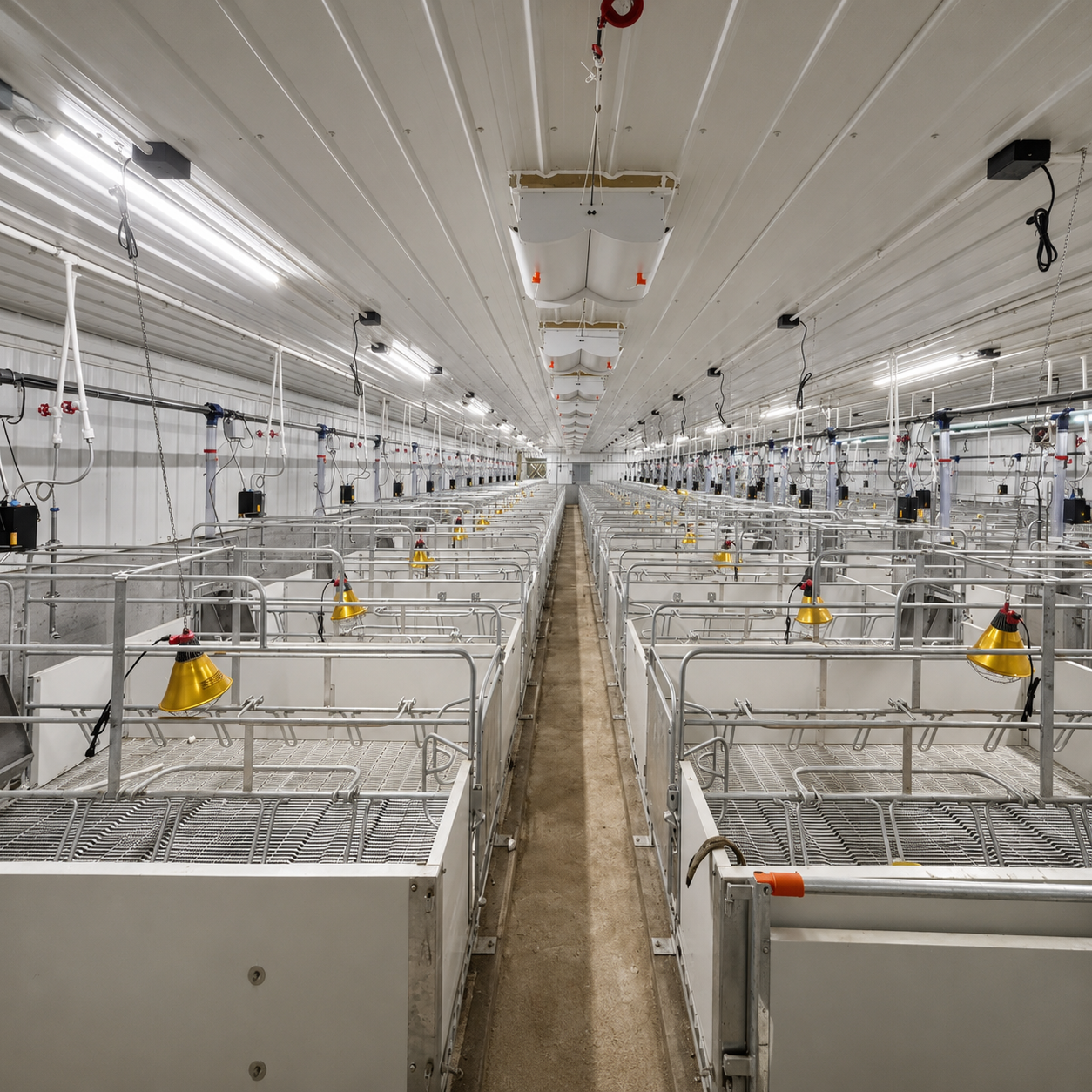
Stable Light Quality for Poultry Behaviour
Flicker-free illumination, stable dimming, and uniform light distribution for daily flock management.
CHALLENGE:
Poultry can be sensitive to visible flicker and abrupt changes in illumination, particularly during dimming transitions and scheduled light changes, causing stress, feather pecking, and flock agitation during low-level dimming.
MANI SOLUTION:
- Advanced flicker-free driver technology ensuring 100% stable light output across all housing areas.
- Smooth 0–100% dimming for controlled feeding programmes, inspection, and daily flock management.
- Wide 120° beam optics to eliminate dark zones along long aisles and cage rows.
KEY PARAMETERS
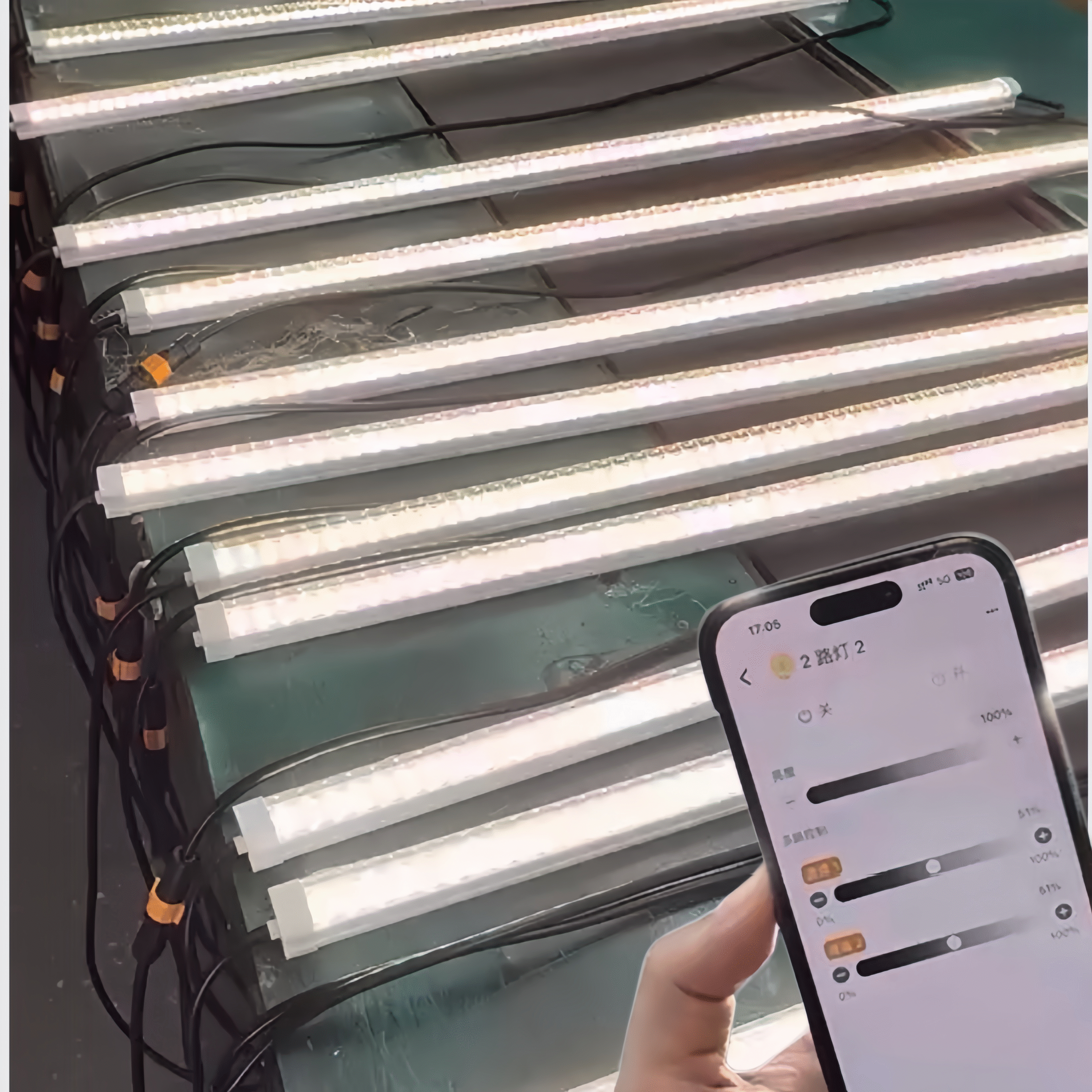
Configurable Light Spectrum and Smart Controls
Fixed-CCT, tunable-white, and project-specific spectrum options for advanced poultry management.
CHALLENGE:
Fixed industrial lighting cannot adapt to changing growth stages, zone-based management, or multi-protocol farm control systems.
MANI SOLUTION:
- Fixed-CCT options (3000K/4000K/6000K) for cost-effective, reliable standard poultry house illumination.
- Tunable-white & RGBW spectrums for advanced breeding or stage-specific growth programs.
- Wireless Mobile App Control supporting fast commissioning, wireless CCT tuning, scheduling, and manual override.
KEY PARAMETERS
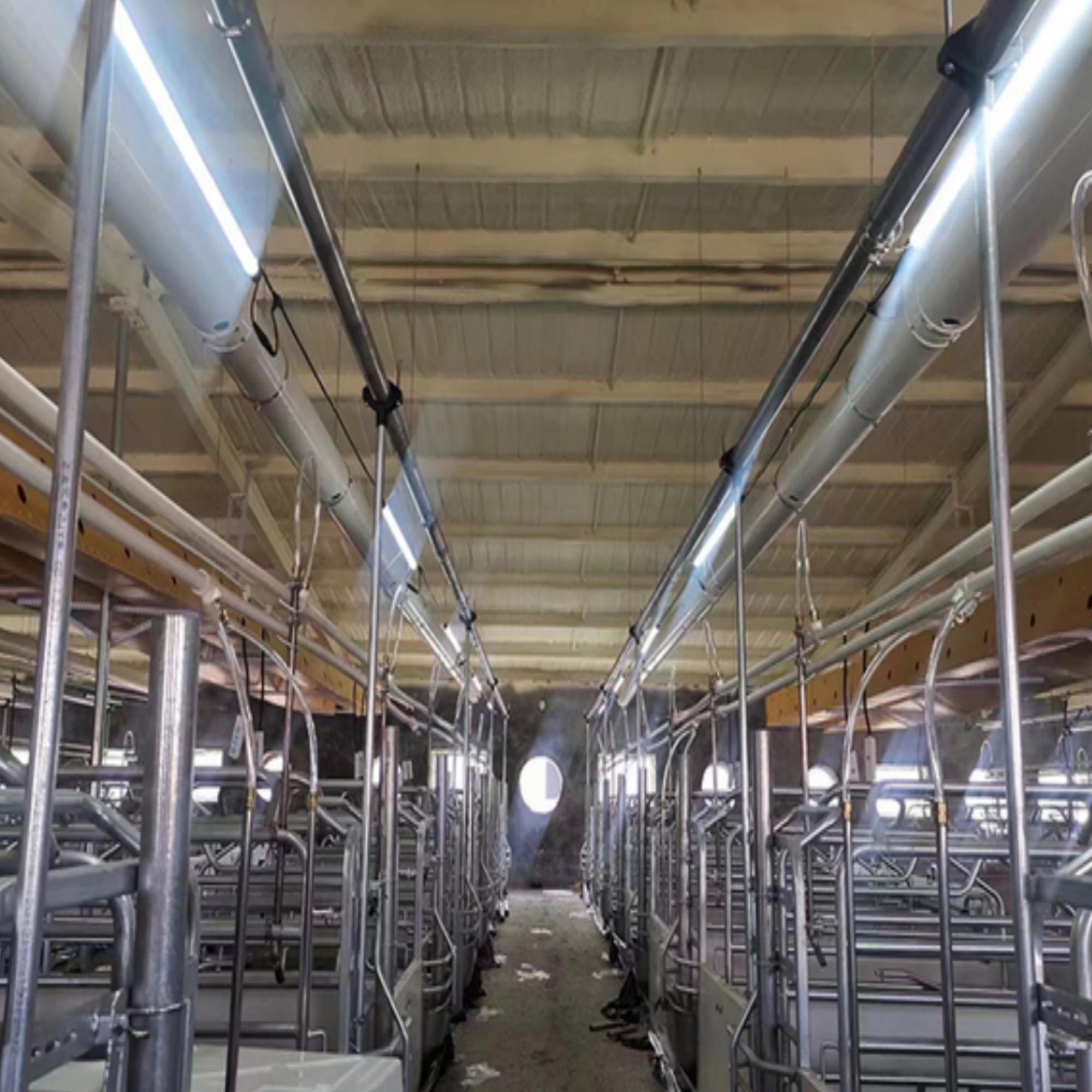
Smooth Sunrise & Sunset Simulation
Stepless, low-level dimming curves designed to prevent flock panic and support biological rhythms.
CHALLENGE:
Abrupt light switching panics poultry. Poor drivers step awkwardly or flicker at ultra-low brightness levels during schedule changes.
MANI SOLUTION:
- Stepless linear dimming curves enabling natural, automated sunrise and sunset light schedules.
- Zero-flicker performance maintained consistently even at minimum dimming thresholds.
- Stable driver architecture ensuring reliable long-term execution of daily lighting programs.
KEY PARAMETERS
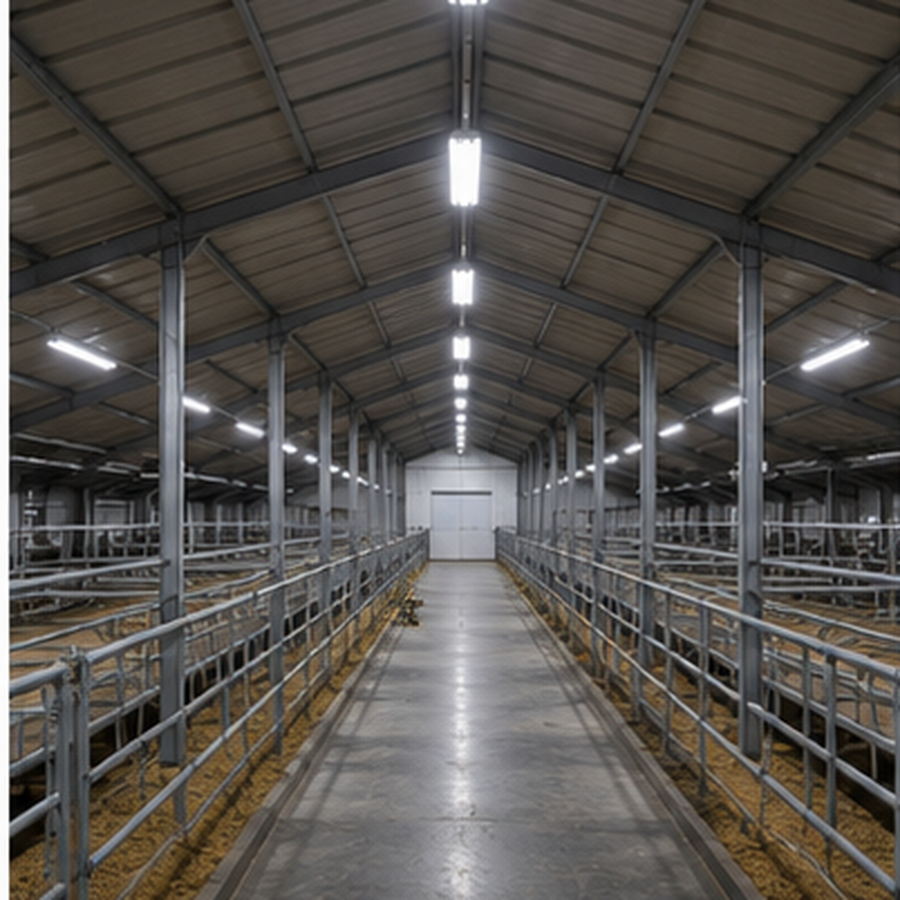
Built for Humidity, Ammonia, Dust, and Washdown
Sealed, corrosion-resistant tubular lighting engineered for demanding poultry-house conditions.
CHALLENGE:
High ammonia gas, moisture, dust, and daily high-pressure washdowns rapidly degrade standard industrial luminaires.
MANI SOLUTION:
- IP67 / IP69K sealed tubular construction completely preventing liquid, gas, and dust ingress during washdowns.
- Durable PC housing and corrosion-proof component options designed for ammonia-dense atmospheres.
- Long-life 50,000 h LEDs reducing replacement frequency and biosecurity risks in restricted farm areas.
KEY PARAMETERS
Engineered for Long Houses and Efficient Installation
Through-wiring and quick connection options for rapid deployment along long sheds.
CHALLENGE:
Traditional point-to-point wiring in long poultry buildings causes high labor costs and complex voltage-drop issues.
MANI SOLUTION:
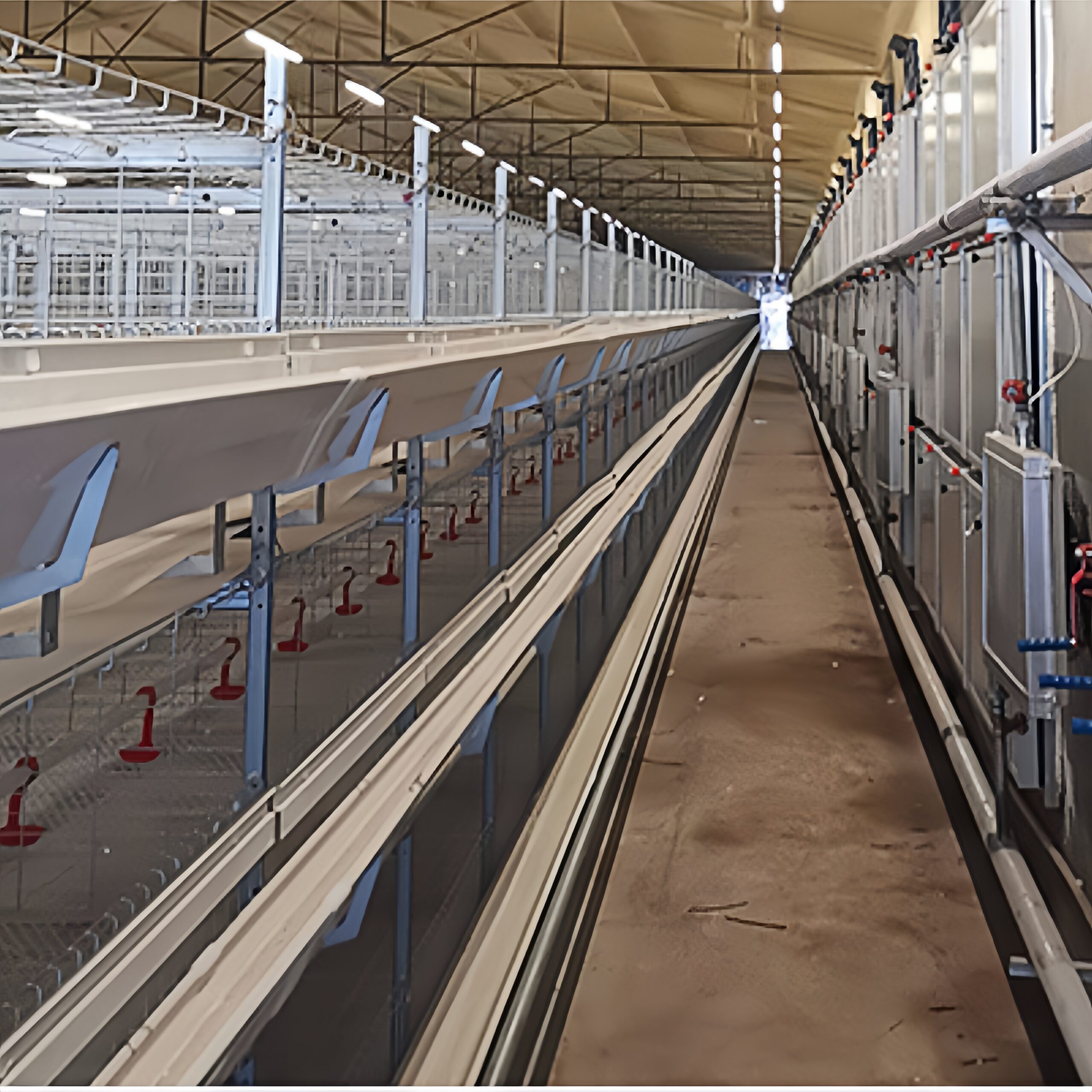
- Continuous through-wiring architectures to streamline cable routing along feeding aisles and cage rows.
- IP-rated quick-plug connectors enabling rapid, tool-free field assembly.
- Surface and suspension mounting options adapting to diverse agricultural roof structures.
KEY PARAMETERS
Choosing the Right Configuration for Your Farm
Select the optimal lighting setup based on your bird type, control strategy, and project budget.
Fixed-CCT + Dimming
Recommended for most broiler, layer, and standard poultry-house projects requiring reliable operation, stable brightness control, and cost-efficient deployment.
Tunable White + Smart Control
Suitable for facilities that need adjustable colour temperature, zone-based control, and flexible management across different growth periods via App or DALI-2.
Multi-Channel Spectrum + Smart Control
Suitable for breeding facilities, research farms, high-end smart-farm projects, or applications with a defined custom spectrum (RGBW) lighting strategy.
Poultry Farm Lighting Solutions by Application
Select your application area below to explore target lighting priorities and engineered product configurations.
 01
01Broiler Houses
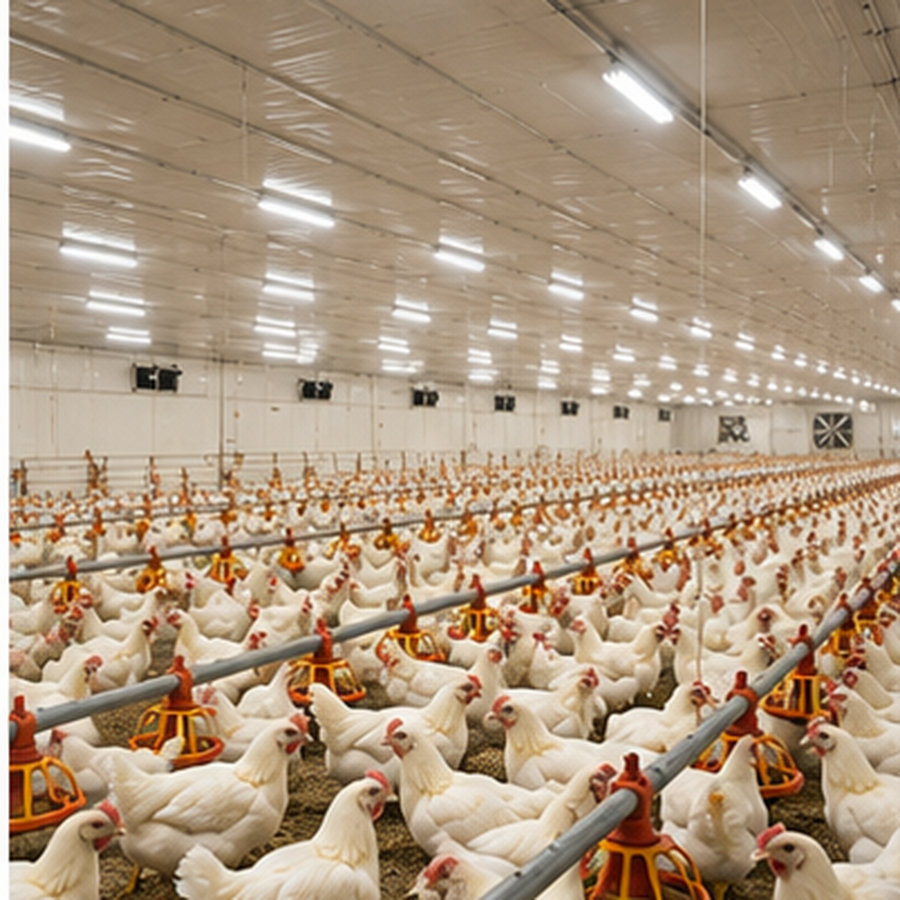
Uniform floor illumination, 100% flicker-free operation, and programmed daily dimming curves.
- Ø70mm tubular light with 120° wide beam
- 0–100% stepless flicker-free dimming
- 4000K or project-selected spectrum
- Continuous through-wiring architecture
 02
02Layer Houses
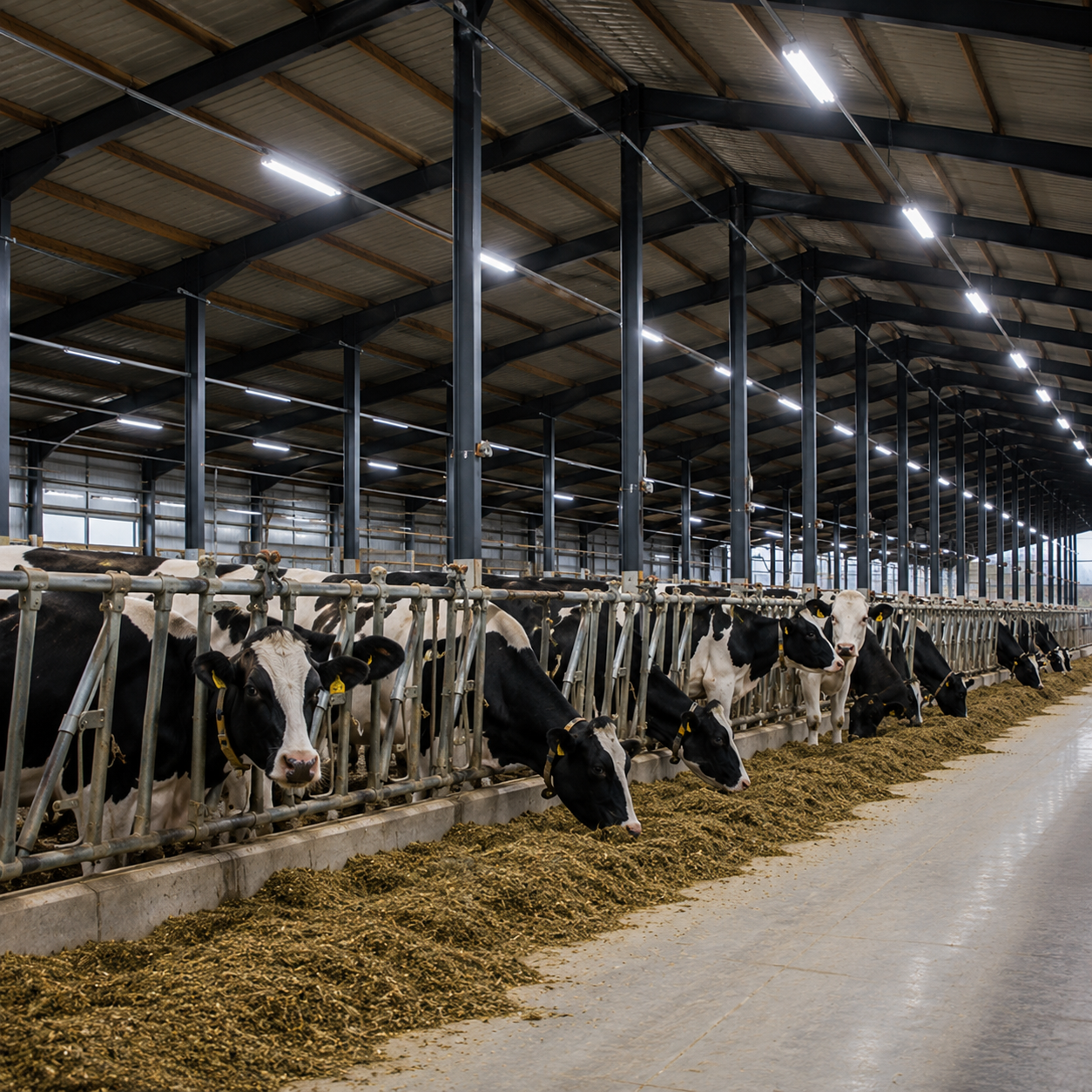
Long-hour operational reliability, controlled photoperiods, and uniform light across cage tiers.
- Ø70mm / Ø100mm heavy-duty tubular light
- 0–10V / DALI-2 smart dimming control
- Long-Life Industrial-Grade LED Driver
- Uniform vertical illuminance for cage rows
 03
03Breeding Houses
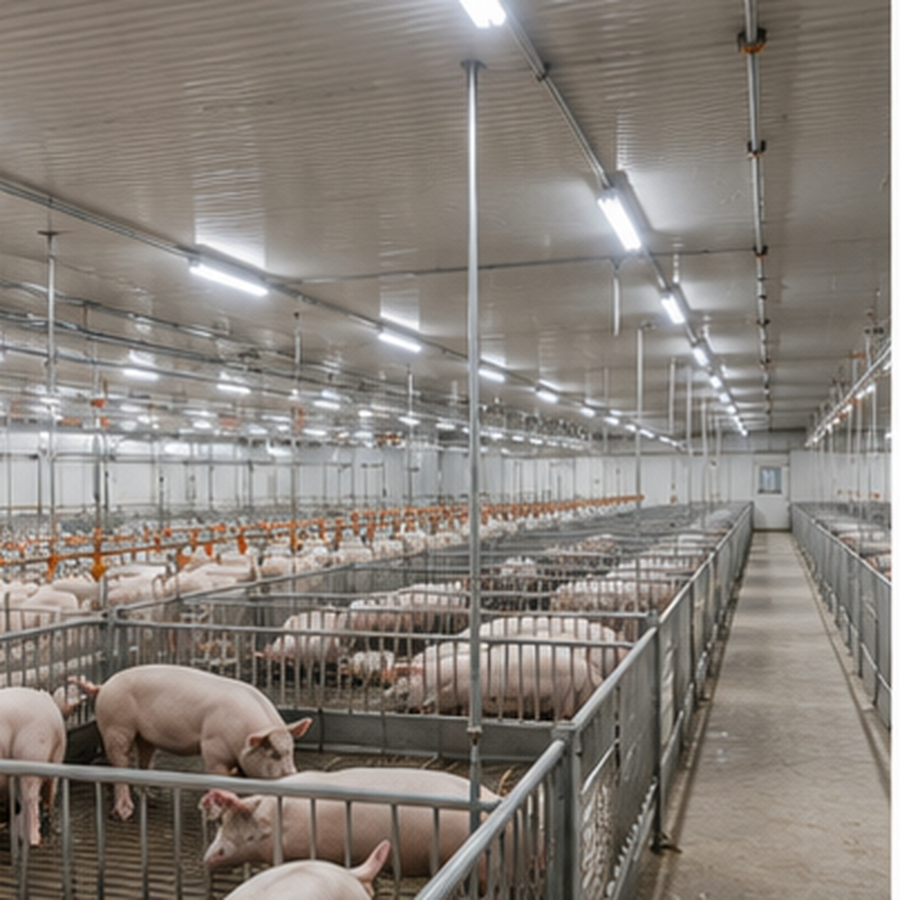
Flicker-free low-level dimming, simulated sunrise/sunset, and flexible lighting programmes.
- Dimmable tubular light with sunrise/sunset program
- 0–10V / DALI-2 / Mobile App smart interface
- Tunable-white or RGBW multi-channel spectrum
- Ultra-low stable dimming without flicker
04Pullet & Rearing Houses
Uniform spatial distribution and smooth, controlled brightness changes for early-stage management.
- Ø45mm / Ø70mm compact tubular light
- Wide 120° light distribution pattern
- Stable low-level dimming performance
- 3000K / 4000K or custom spectrum setup
 05
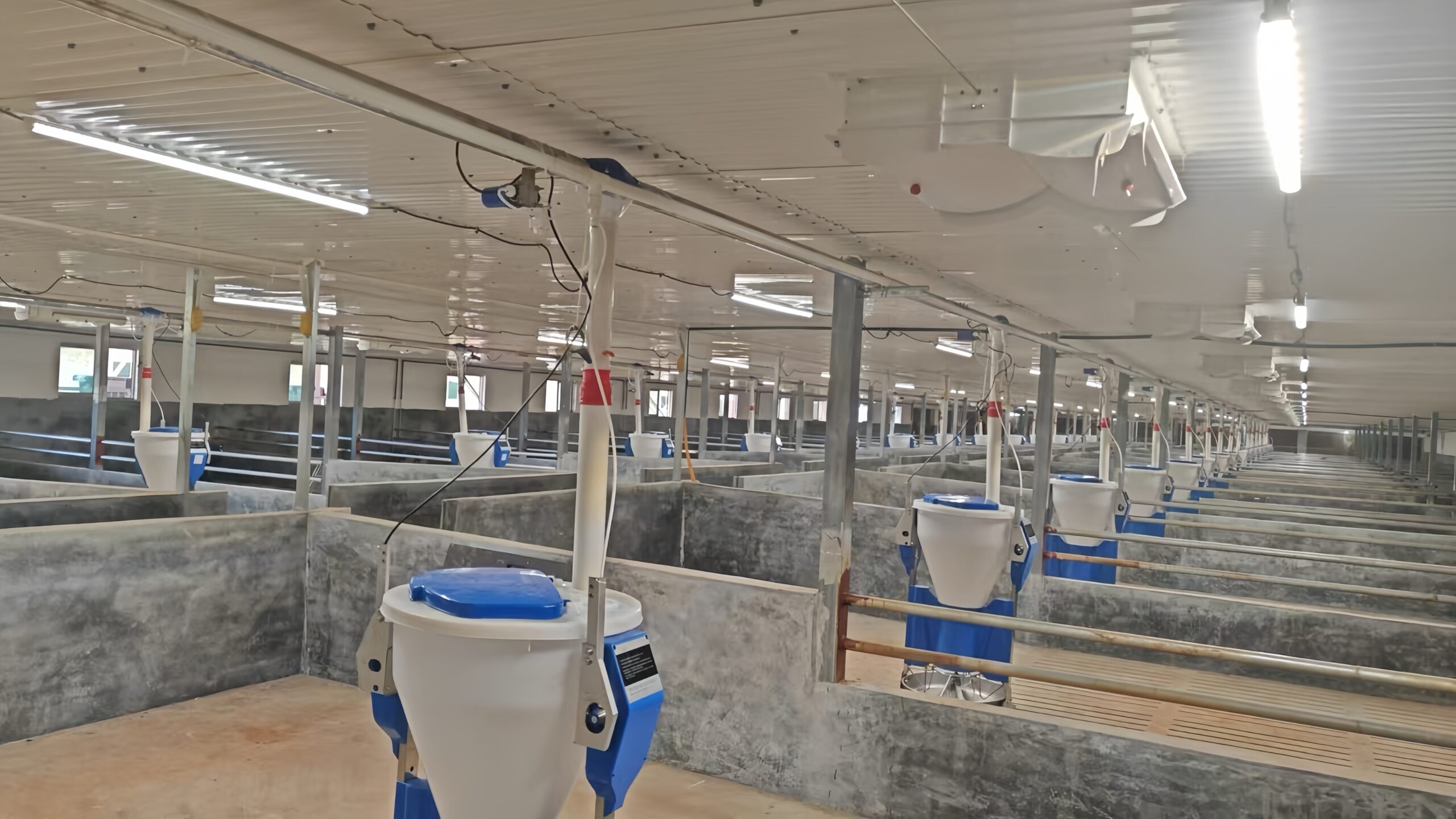
05Feeding & Service Aisles
Continuous linear illumination, fast contractor installation, and low maintenance overhead.
- Ø70mm tubular light with 120° beam angle
- Through-wiring & IP quick-plug options
- Surface or suspension mounting layout
- High efficacy for lower energy consumption
 06
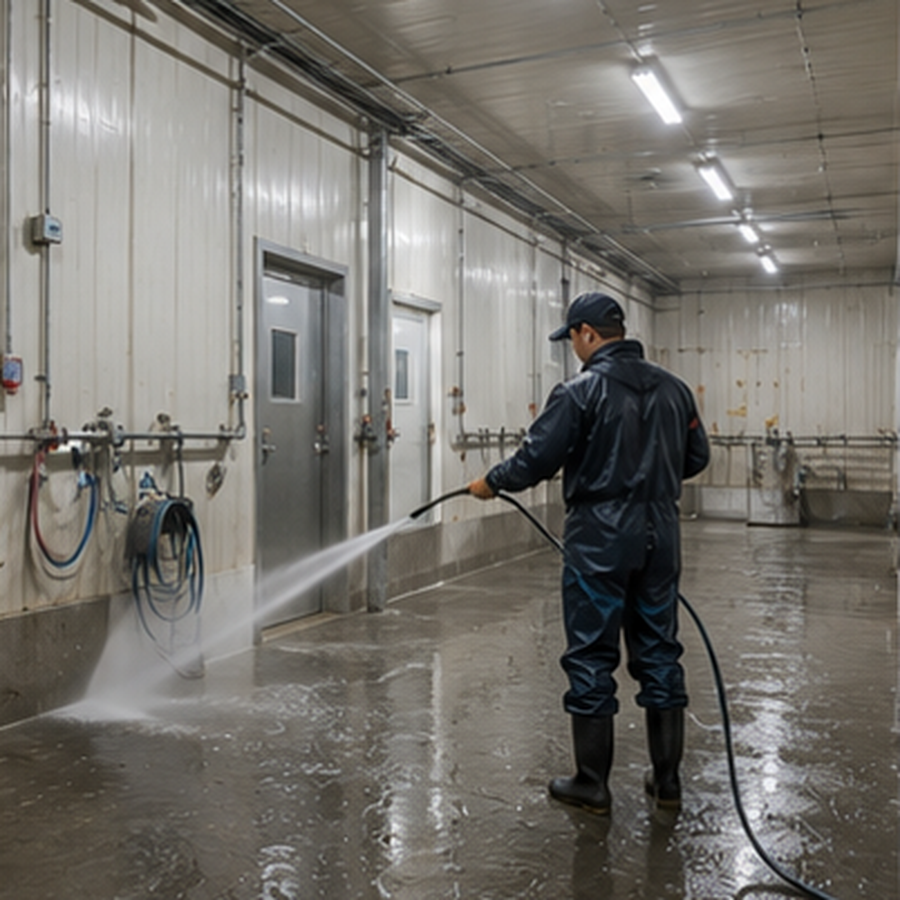
06Cleaning & Washdown Areas
Complete resistance against humidity, dust, ammonia gas, and high-pressure water washdowns.
- Fully sealed IP67 / IP69K tubular housing
- Ammonia & chemical-resistant PC construction
- Corrosion-resistant end caps & brackets
- Protected waterproof cable entry design
Poultry Farm Tubular Lighting Products
Choose a tubular lighting solution tailored for poultry house environments and biosecurity requirements.
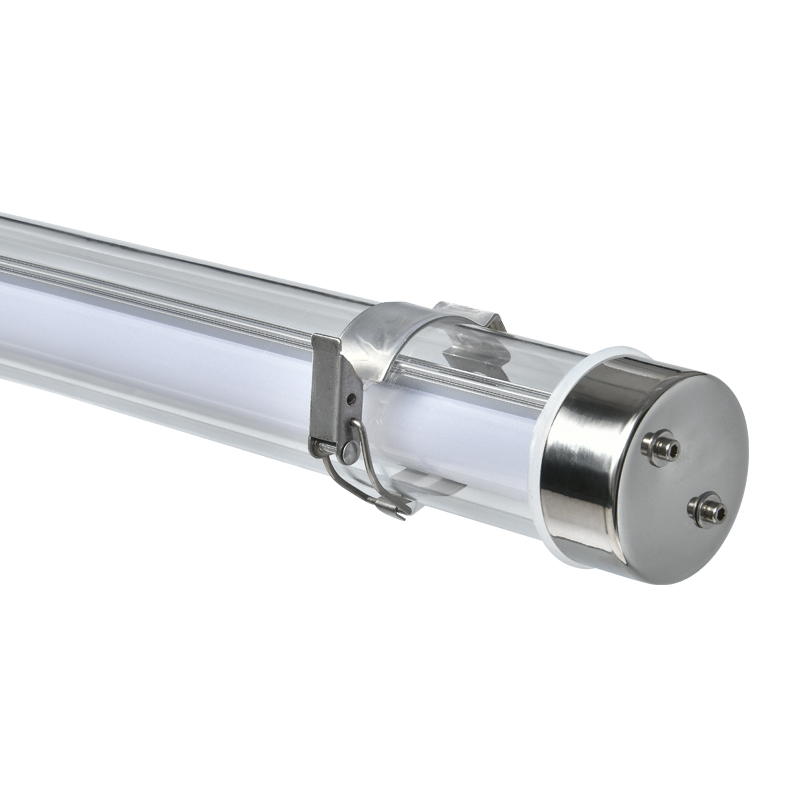
Ø45mm PC Tubular Light
Compact, slim design for tight poultry cage gaps, pullet rearing rows, and narrow service aisles.
View Product Details →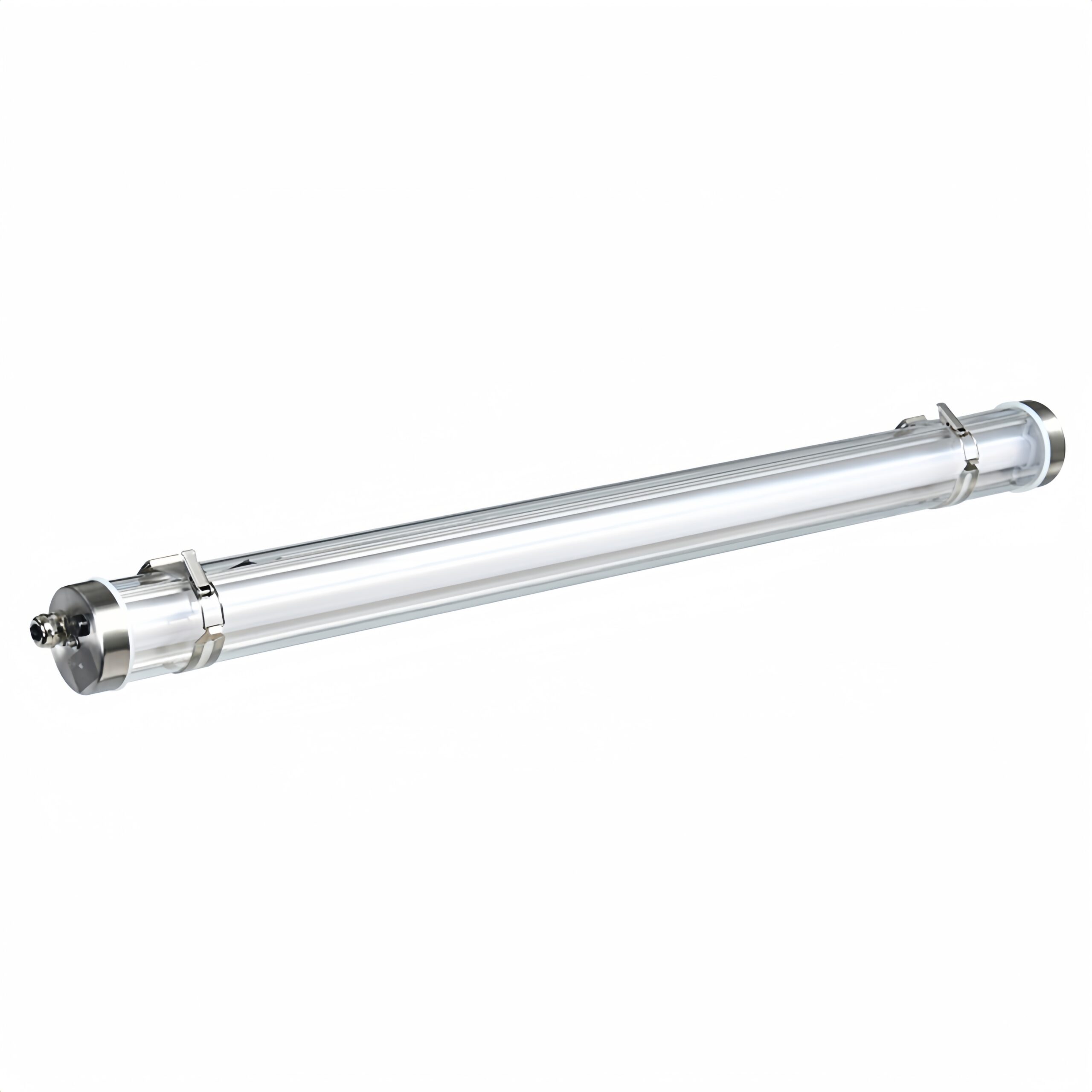
Ø70mm PC Tubular Light
Balanced 120° output and IP69K sealing for general broiler, layer, and feeding house layouts.
View Product Details →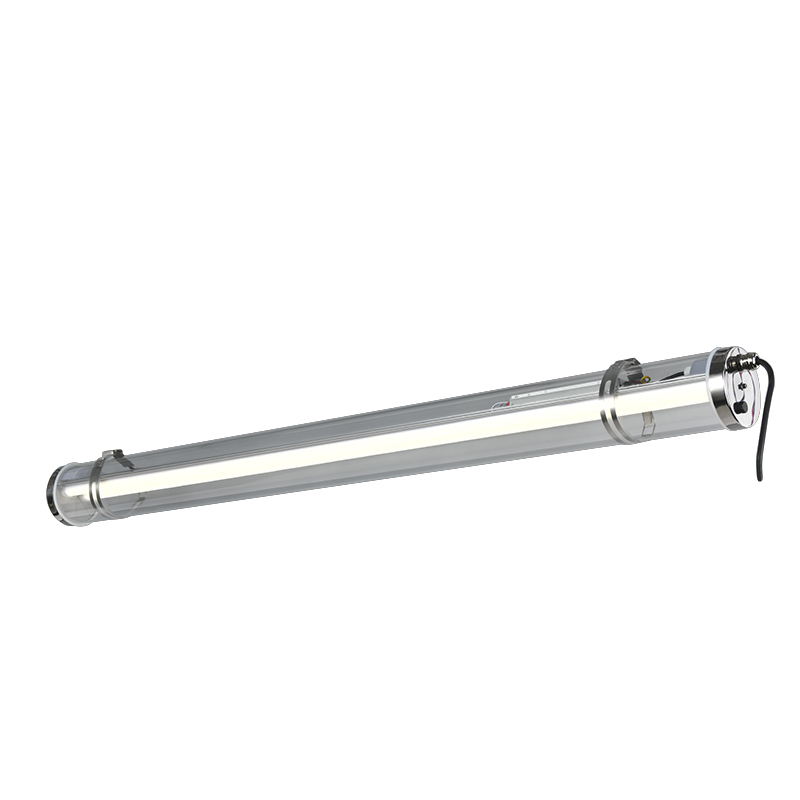
Ø100mm PC Tubular Light
High-output lumen option engineered for high-ceiling breeding houses and wide farm buildings.
View Product Details →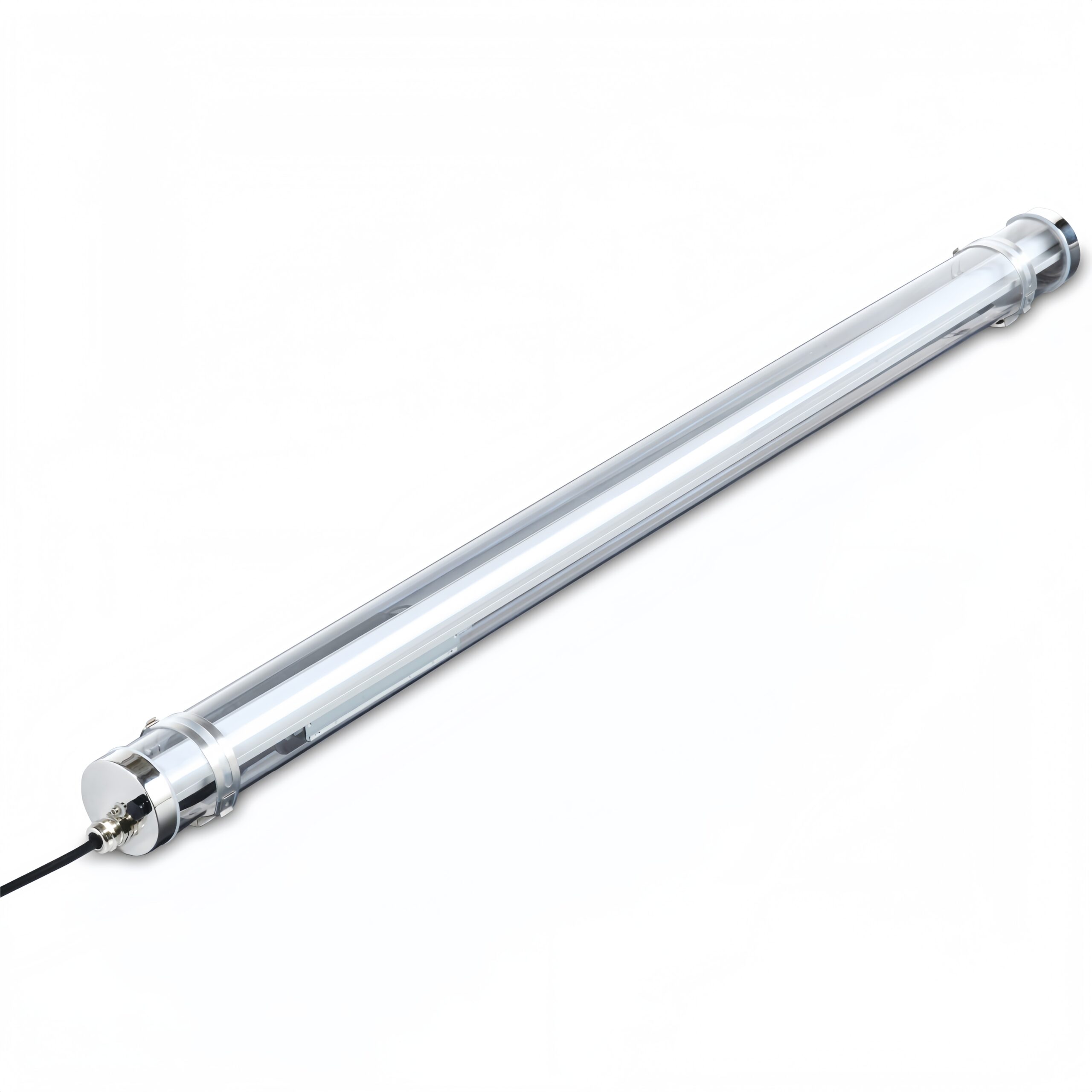
Ø75mm Borosilicate Glass Tubular Light
Superior resistance against high ammonia gas concentrations and harsh daily chemical washdown routines.
View Product Details →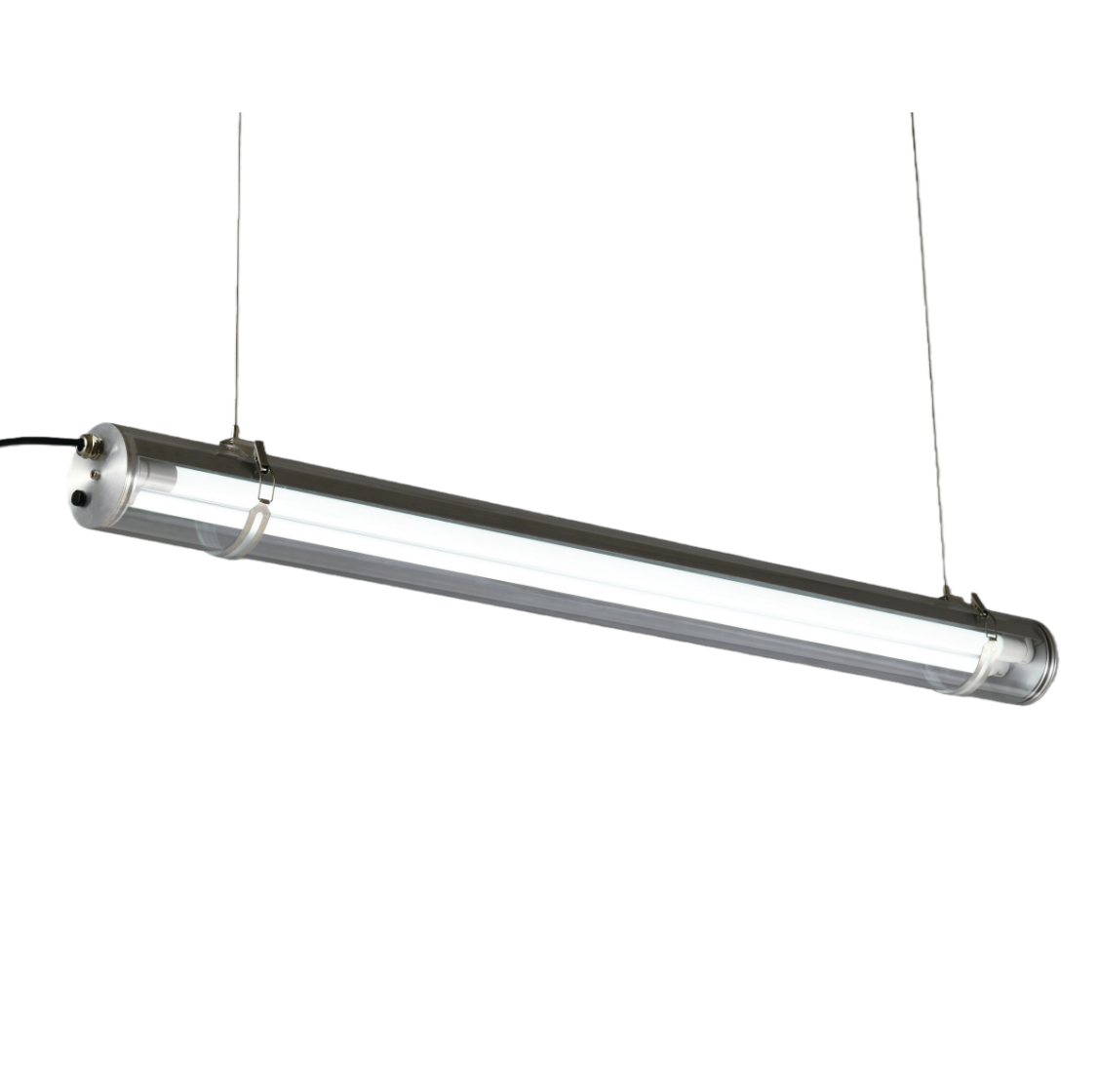
T8 Replaceable Tubular Light
Replaceable-tube structure for fast ongoing maintenance in farm utility rooms and feed storage areas.
View Product Details →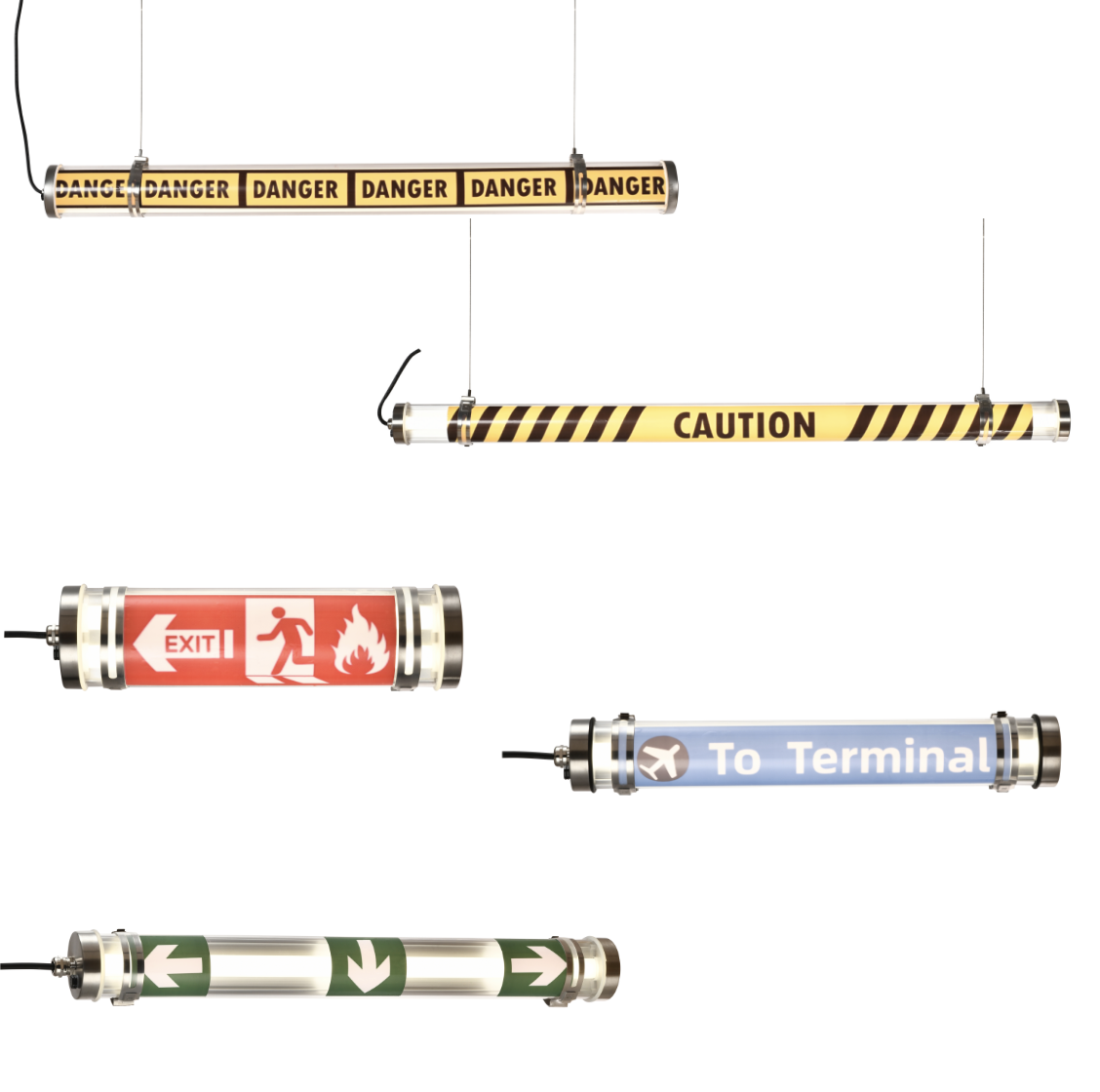
Safety Signage & Wayfinding Tubular Light
Customized signaling tube with warning graphics and directional indicators for farm biosecurity zones and emergency exits.
View Product Details →Need Help Choosing a Product?
Tell us your application and project requirements. We will recommend a suitable tubular lighting solution.
Discuss Your ProjectFROM CONCEPT TO PRODUCTION
How MANI Delivers Reliable Solutions
From initial technical evaluation to sampling, testing, and controlled mass production, our engineering team ensures every solution is built for real-world reliability.
 01
01Requirement Review
We evaluate your installation environment, target specs, certifications, and timeline.
- Application conditions
- Target specifications
- Certification & timeline
 02
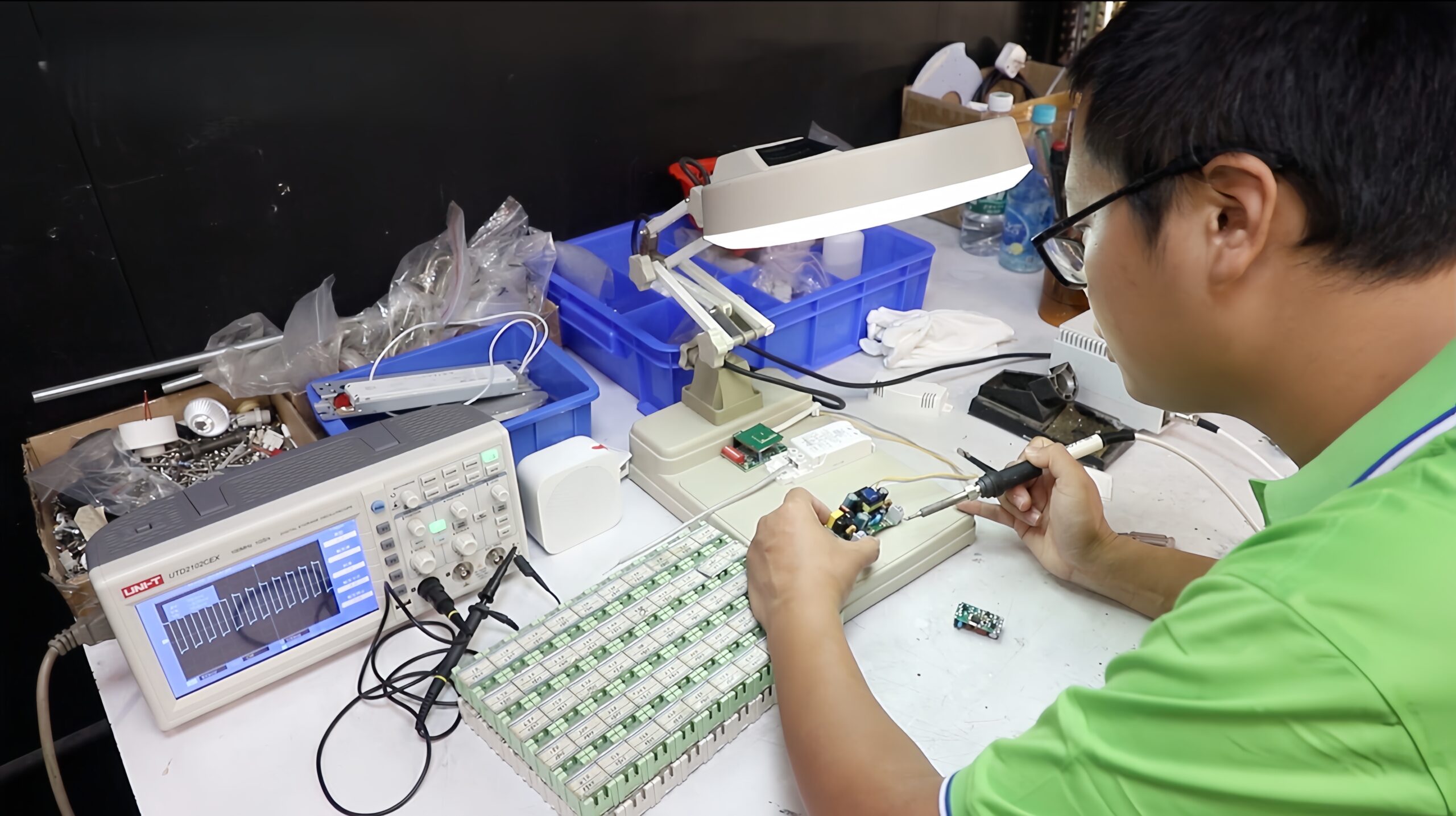
02Engineering Evaluation
Our team assesses structural design, optics, electrical components, and manufacturing feasibility.
- Structure & materials
- Optics & electrical design
- Manufacturing feasibility
 03
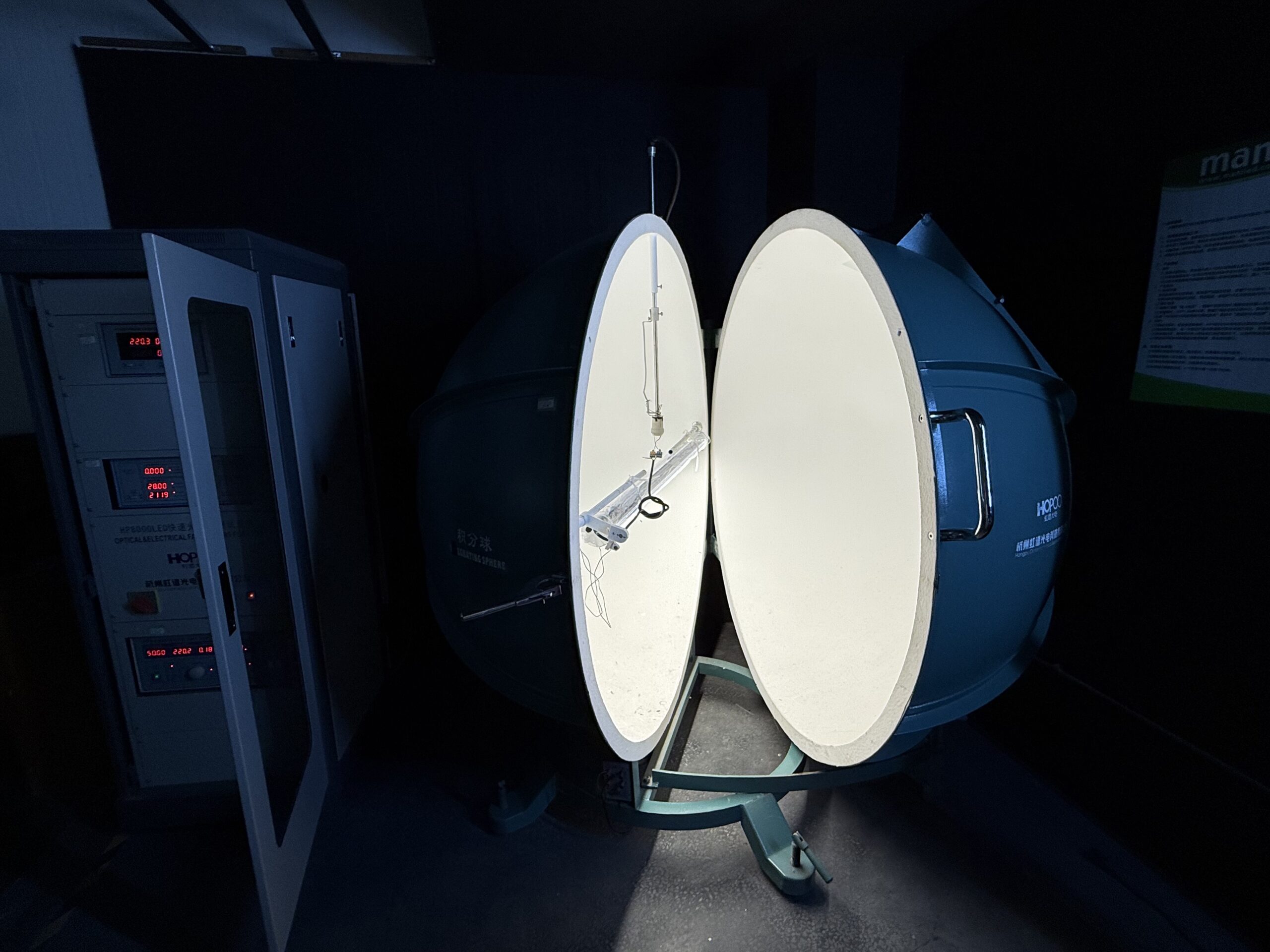
03Sampling & Validation
Prototypes are produced and verified for performance, sealing, dimensions, and customer approval.
- Prototype & sampling
- Performance verification
- Customer confirmation
 04
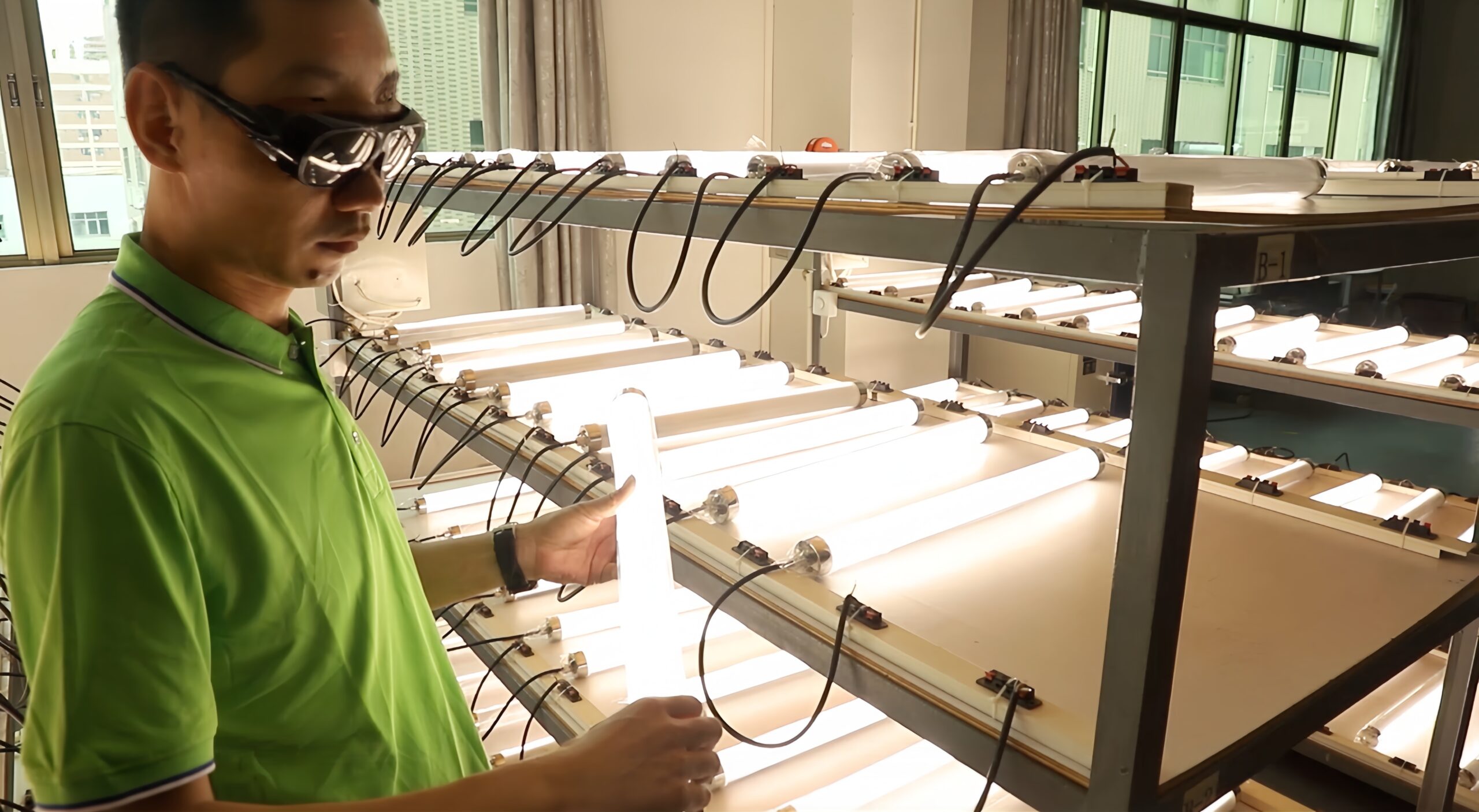
04Controlled Production
Mass production follows confirmed specifications with strict in-process and final quality control.
- Confirmed specifications
- In-process inspection
- Final quality verification
Verified Compliance. Engineered for Longer Life.
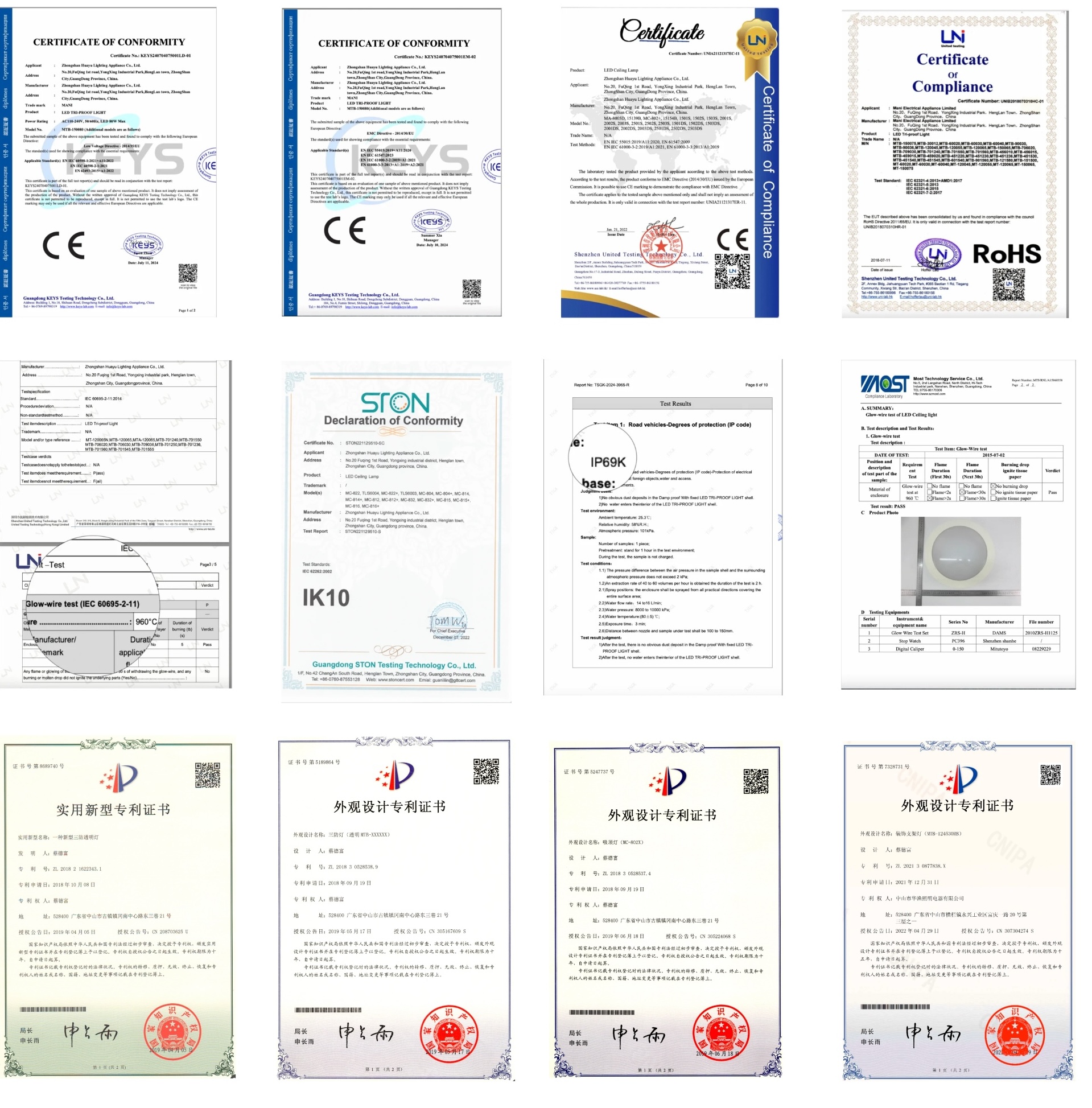
MANI supports global project approval with applicable product certifications, test reports, technical documentation, and patented engineering solutions.
We design luminaires for long-term durability, energy-efficient performance, and practical maintenance to help reduce failures, replacement frequency, and lifecycle waste.
Compliance Support
Protection Testing
Performance Reports
Developed Technologies