Metro & Railway Lighting Solutions
Durable tubular lighting for stations, platforms, tunnels, corridors, depots, and maintenance areas.
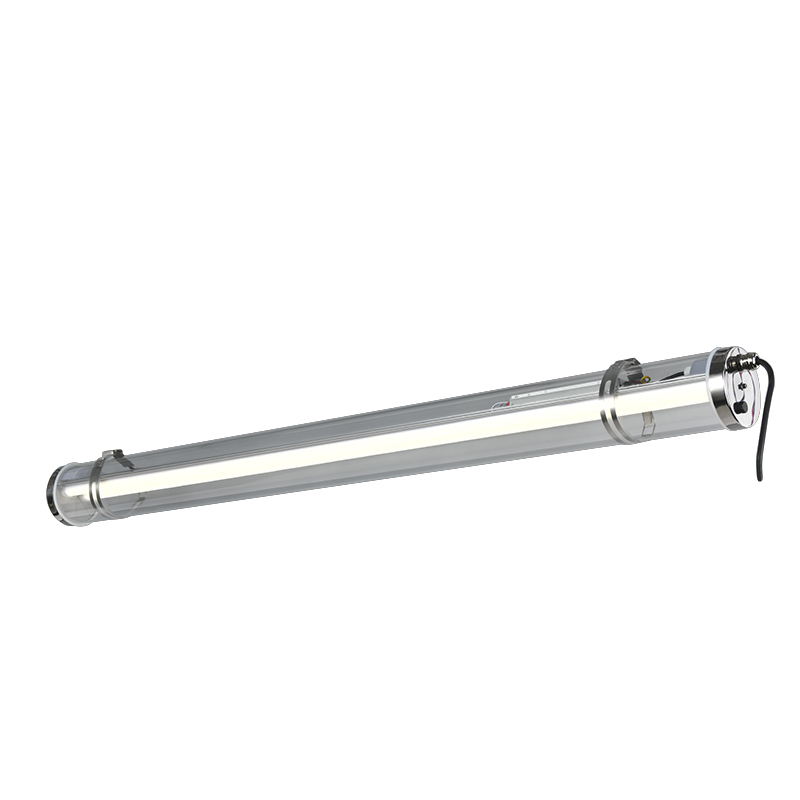
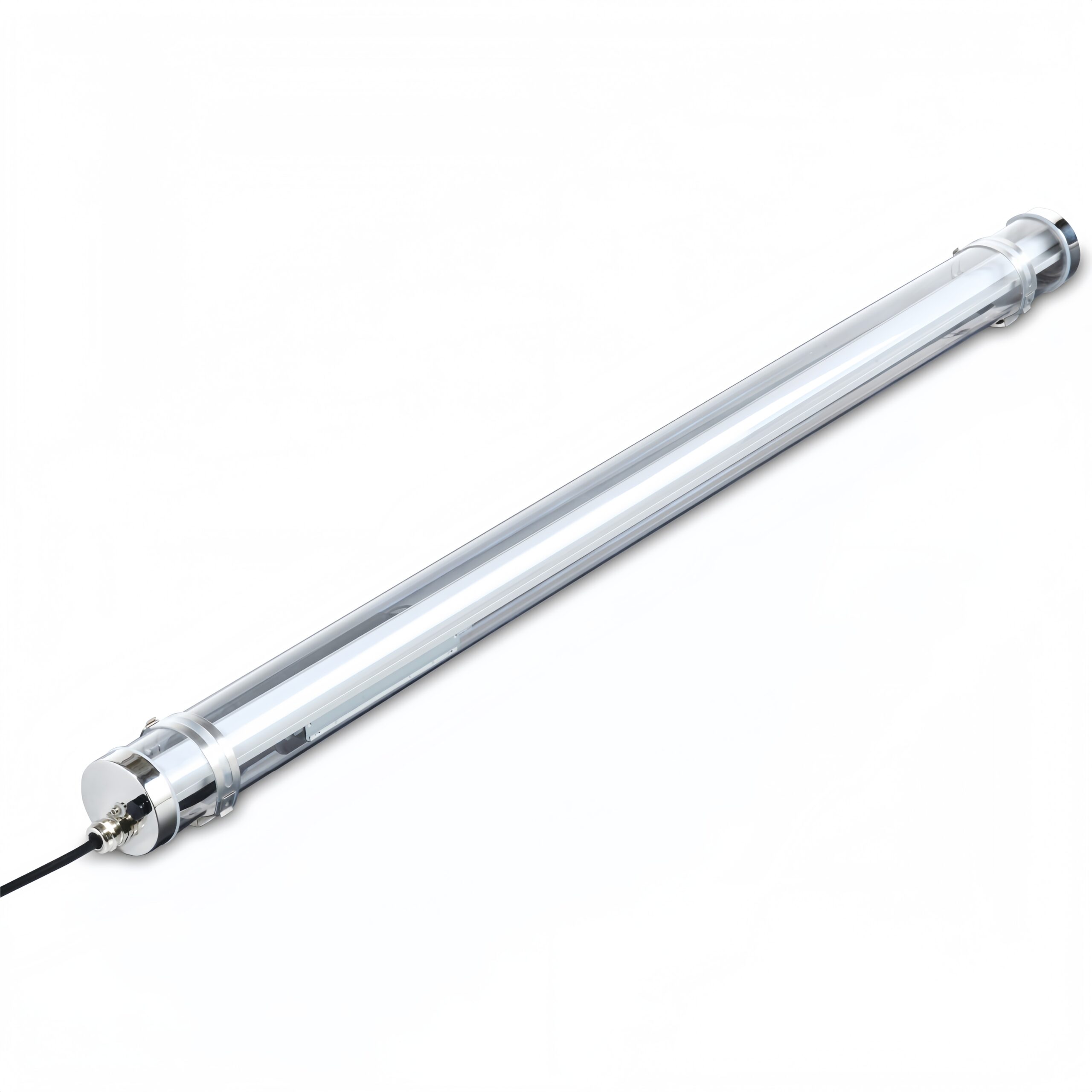
MANI provides configurable LED tubular lighting solutions for metro and railway infrastructure where safety, durability, visual comfort, and low maintenance are critical.
From passenger-facing stations to tunnels, service corridors, inspection areas, and outdoor depots, our tubular luminaires can be customized for different protection levels, mounting conditions, wiring methods, and control requirements.
Applications in Metro & Railway Infrastructure
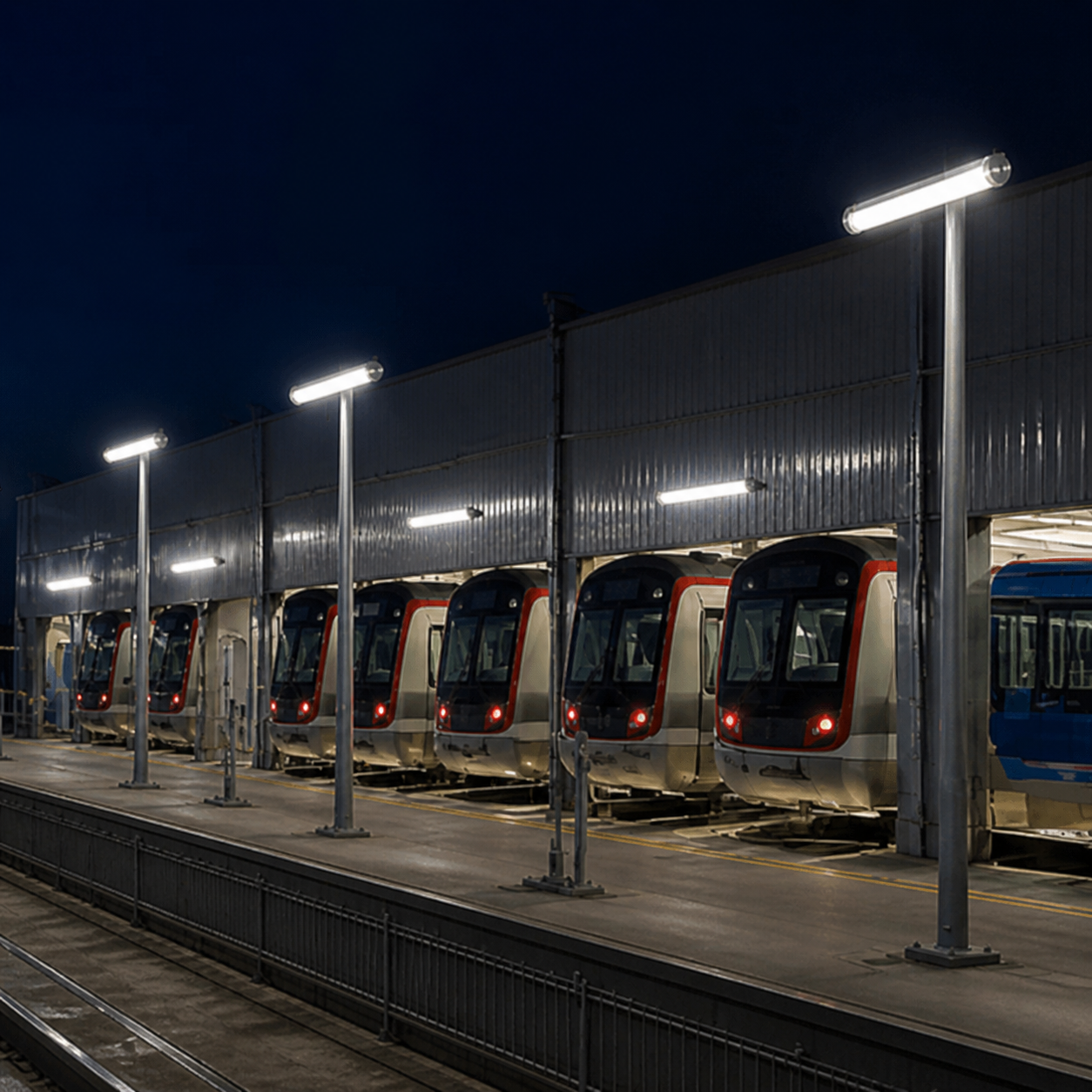
Tubular lightings for passenger areas, tunnels, depots, and maintenance zones
Metro and railway projects include many different functional areas. Each area has different requirements for brightness, protection level, glare control, installation method, emergency operation, and maintenance access.
MANI tubular luminaires can be configured for multiple transport infrastructure applications, helping engineers, contractors, and facility operators select lighting solutions according to real project conditions.
Metro Stations
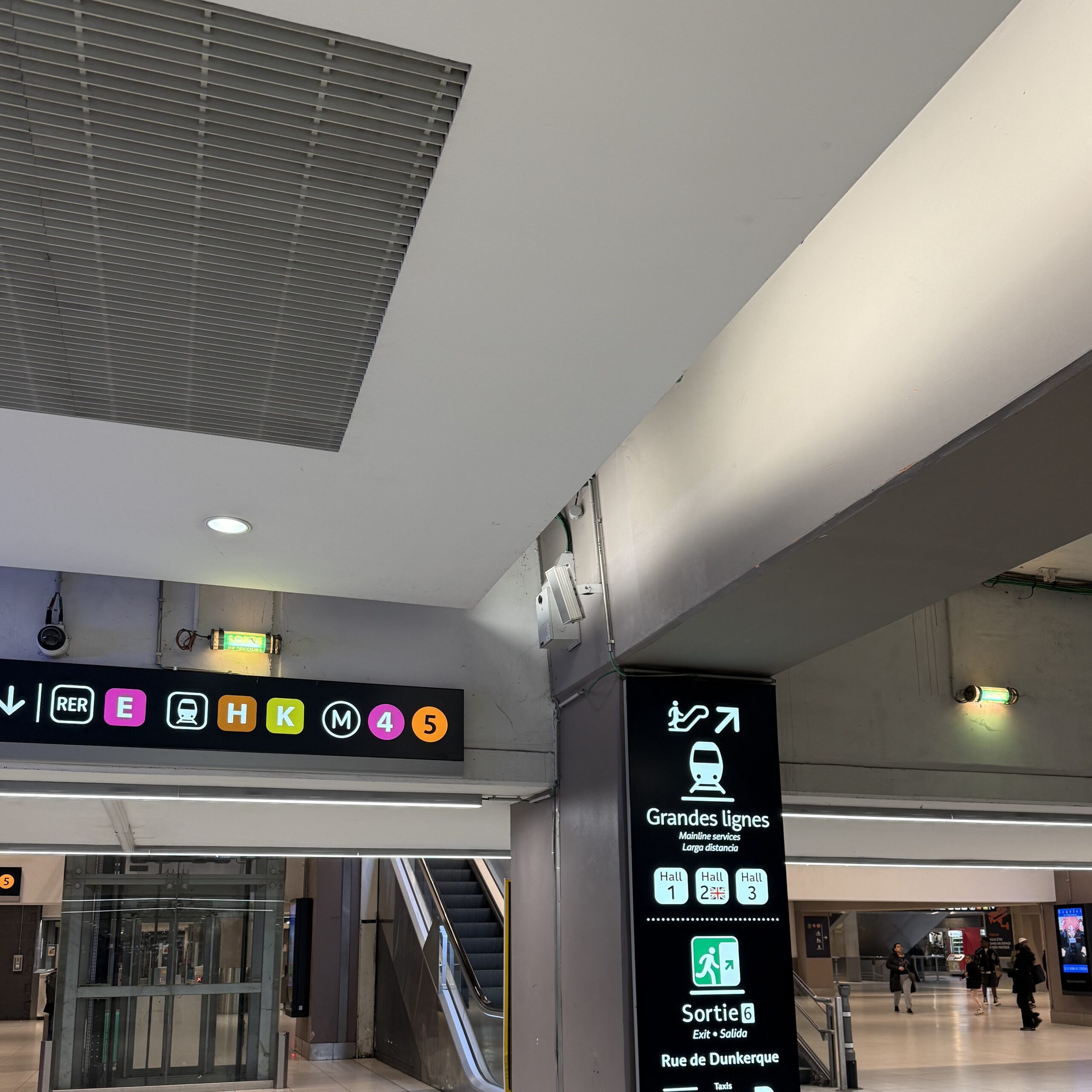
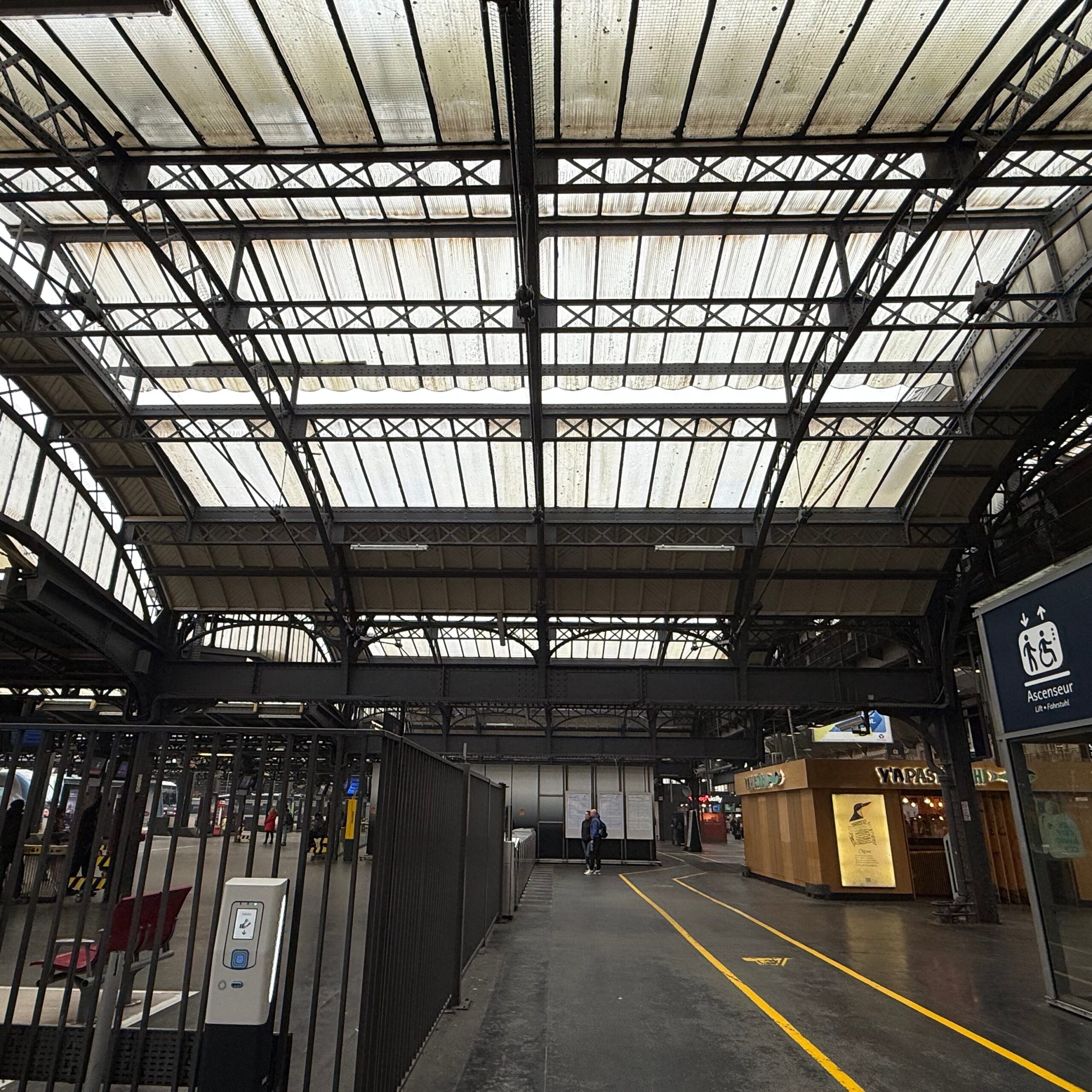
Metro stations handle constant passenger flow, limited daylight and long operating hours. Lighting must make ticket halls, platforms, stairways and transfer areas feel clear, safe and easy to navigate.
Railway Platforms
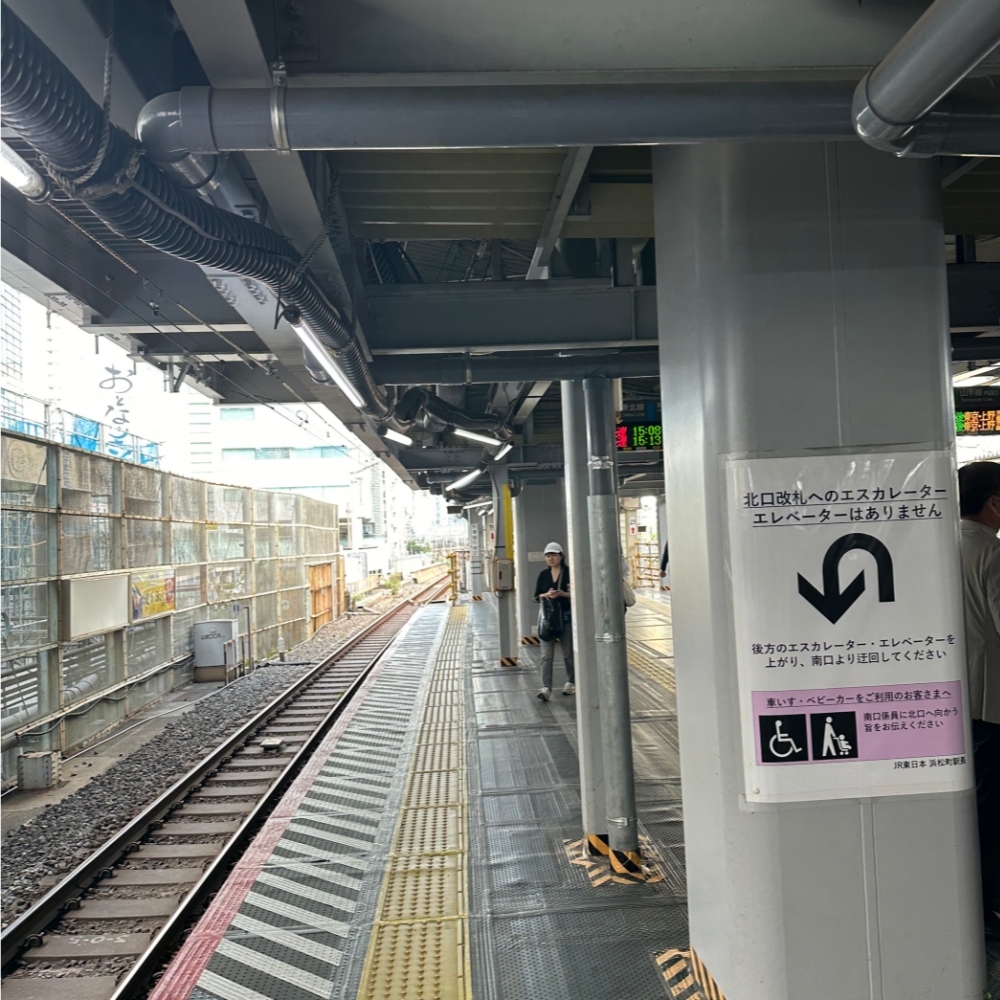
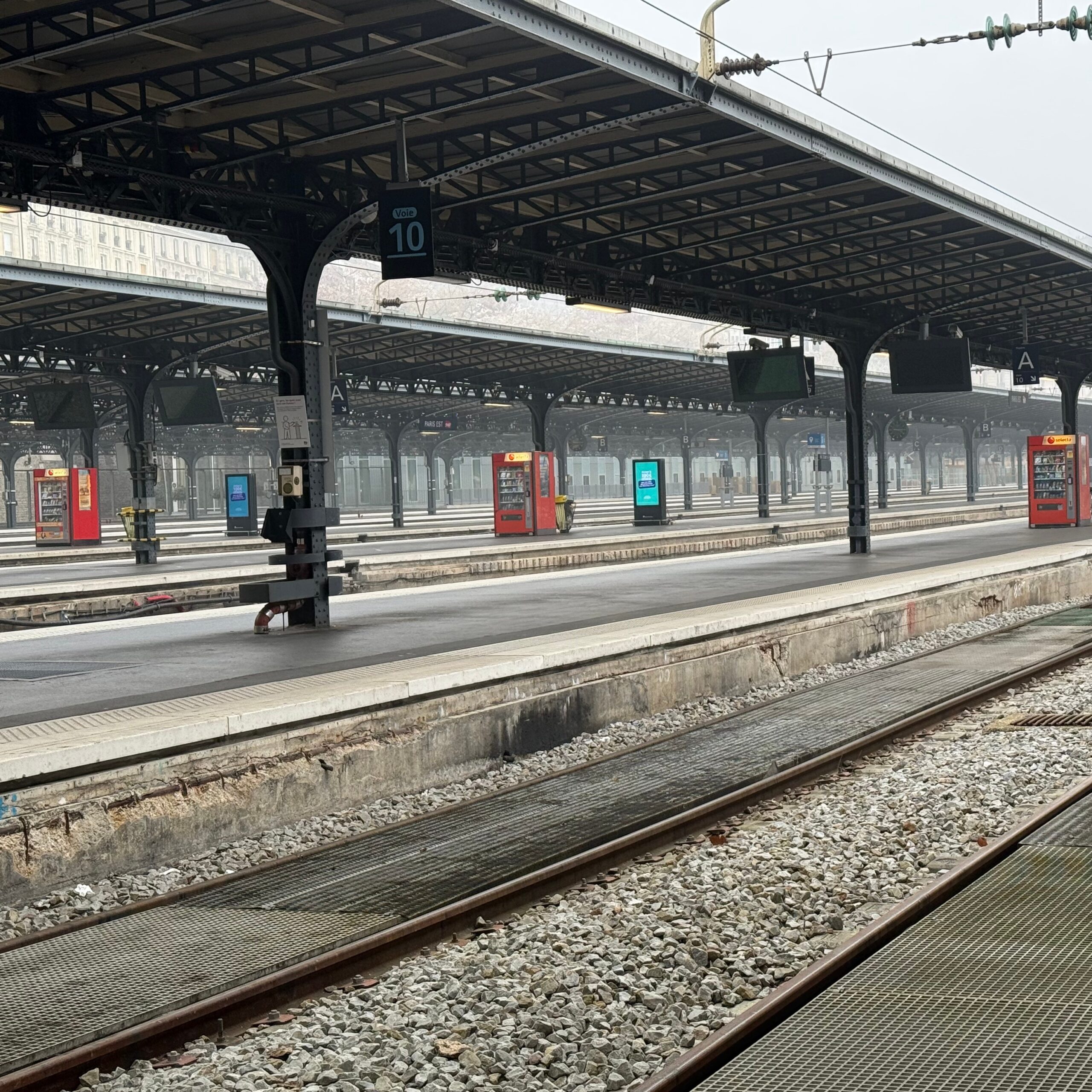
Railway platforms require lighting that supports boarding, waiting and safe movement along platform edges. Visibility is especially important during night operation, bad weather or semi-outdoor conditions.
Corridors, Underpasses & Access Routes
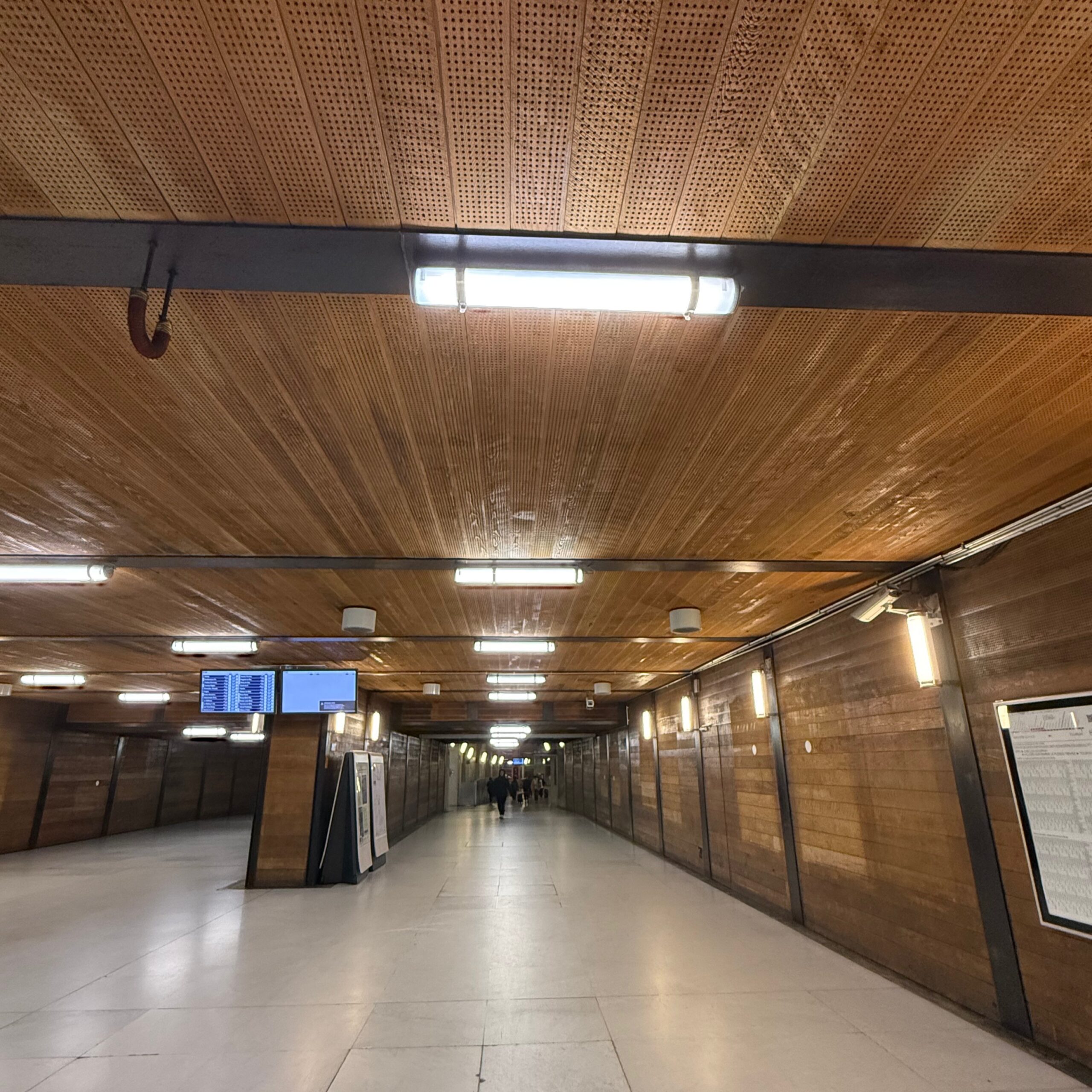
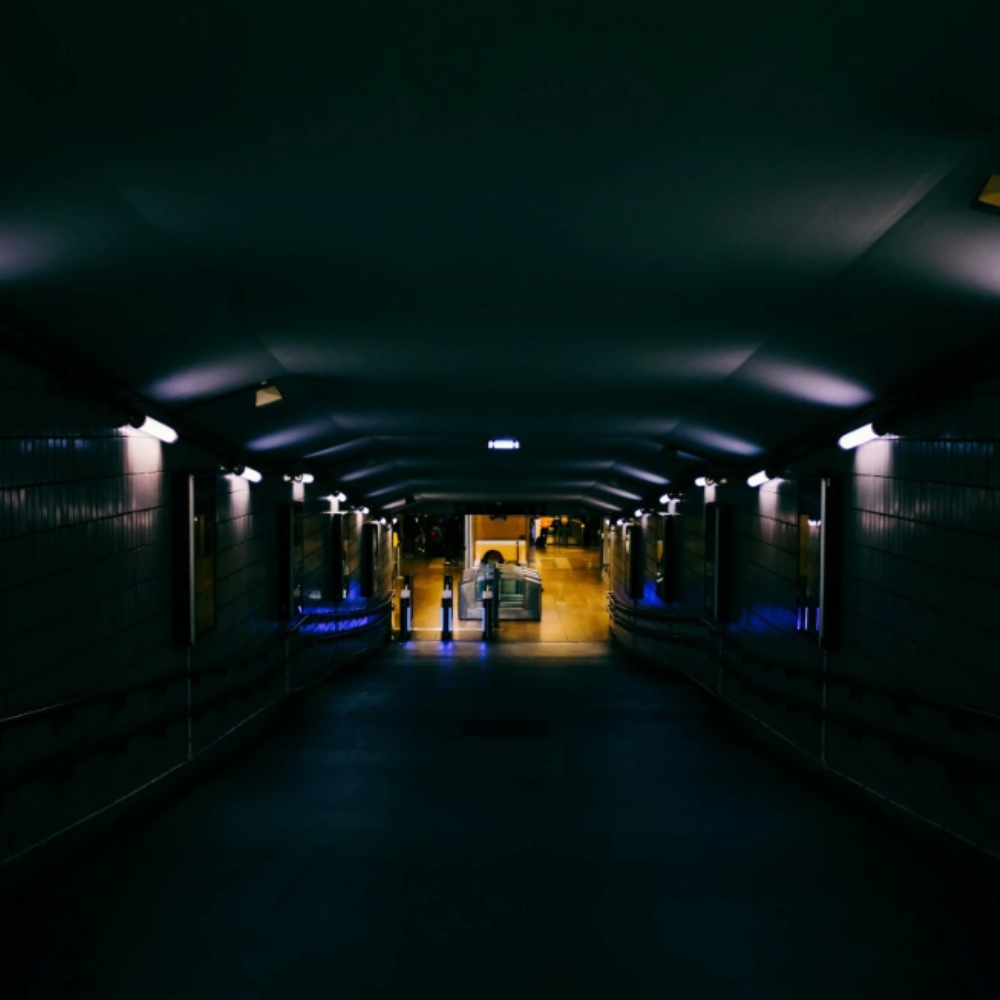
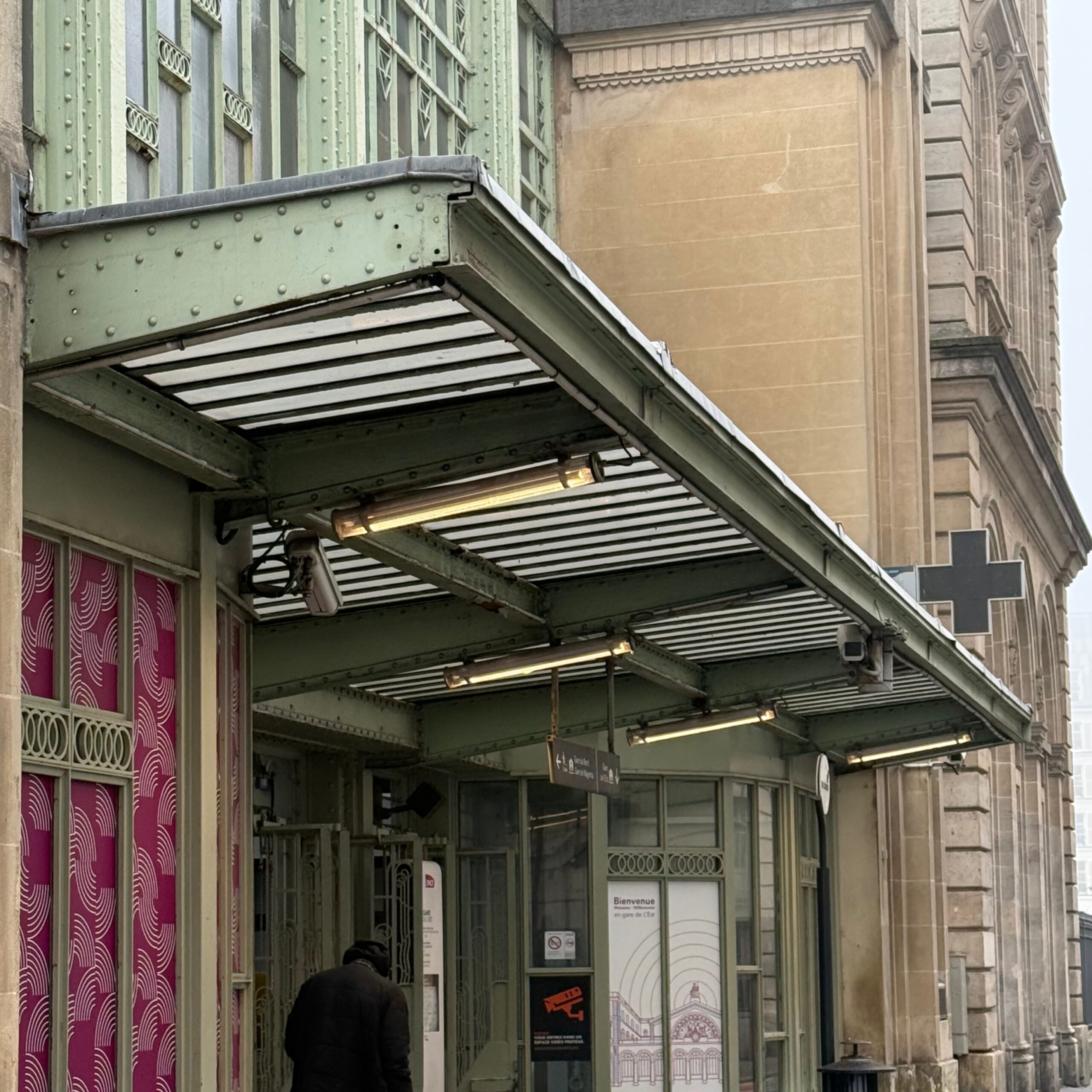
Transfer corridors, underpasses and stair areas are used as continuous passenger routes. Lighting must guide movement clearly and reduce dark zones that affect comfort and perceived safety.
Railway & Metro Tunnels
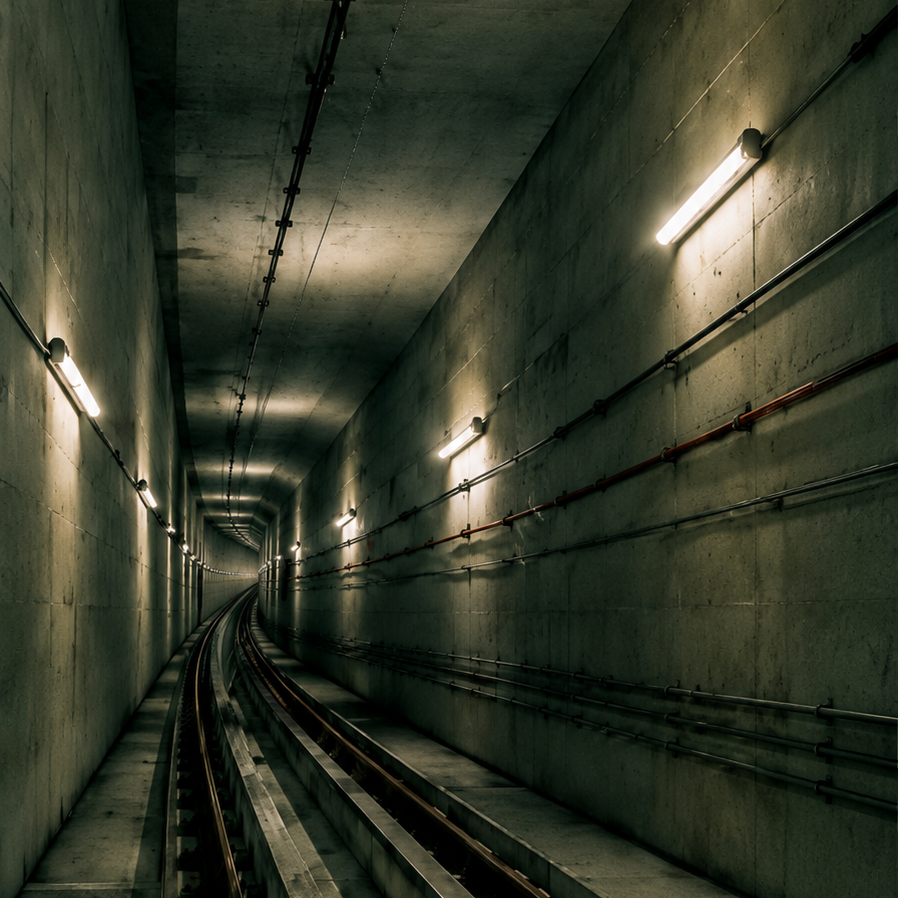
Tunnels expose lighting fixtures to dust, humidity, vibration, pressure changes and limited maintenance access. In these areas, failure can affect both operation and safety.
Maintenance Workshops & Inspection Areas
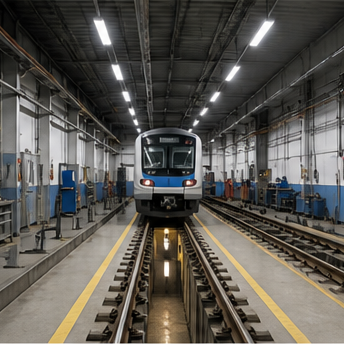
Workshops and inspection areas need clear, reliable lighting for repair work, equipment checks and daily maintenance. Dust, impact risk and industrial use also place higher demands on fixture durability.
Depots, Parking & Outdoor Transport Areas
Depots, parking areas, service yards and outdoor shelters are exposed to weather, dust, humidity and long operating hours. Lighting must support vehicle movement, inspection and daily operation.
Transport Infrastructure Conditions
Lighting designed for long operating hours and demanding public environments
Metro and railway environments place continuous stress on lighting fixtures. Luminaires may be exposed to underground humidity, brake dust, airborne particles, cleaning water, vibration from train movement, pressure changes caused by passing trains, and long daily operating hours.
In tunnels, platforms, underpasses, depots, and service corridors, lighting failure can interrupt maintenance schedules, affect passenger safety, reduce emergency visibility, and increase replacement cost. For this reason, fixtures must be designed for sealing performance, impact resistance, corrosion protection, secure mounting, stable electrical performance, and long-term lumen maintenance.
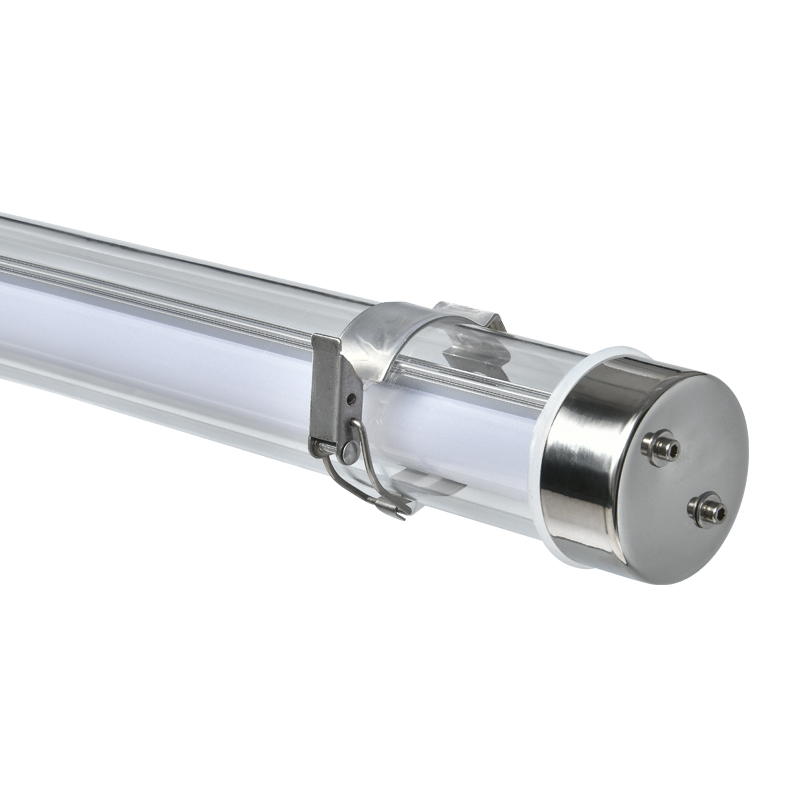
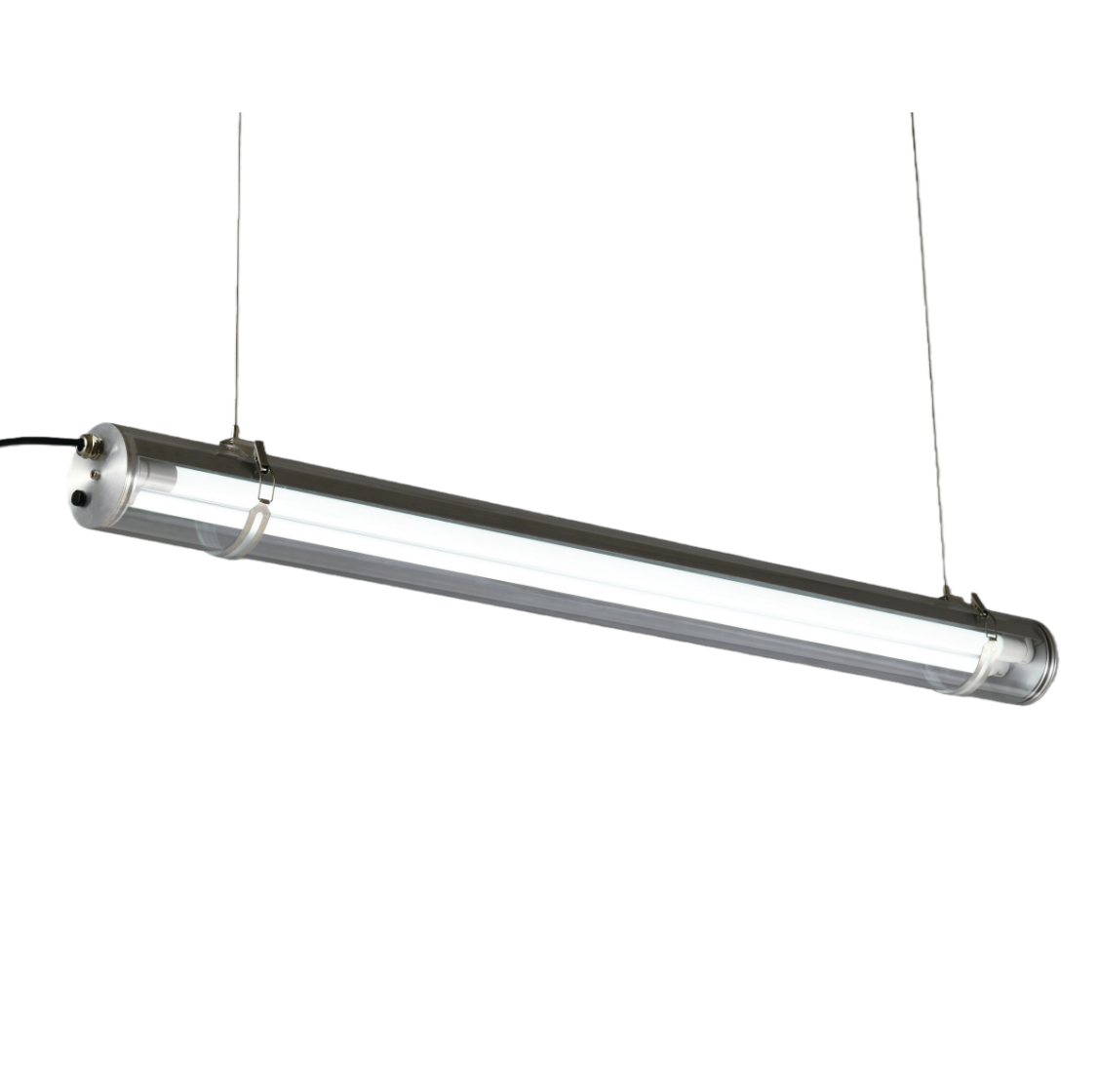
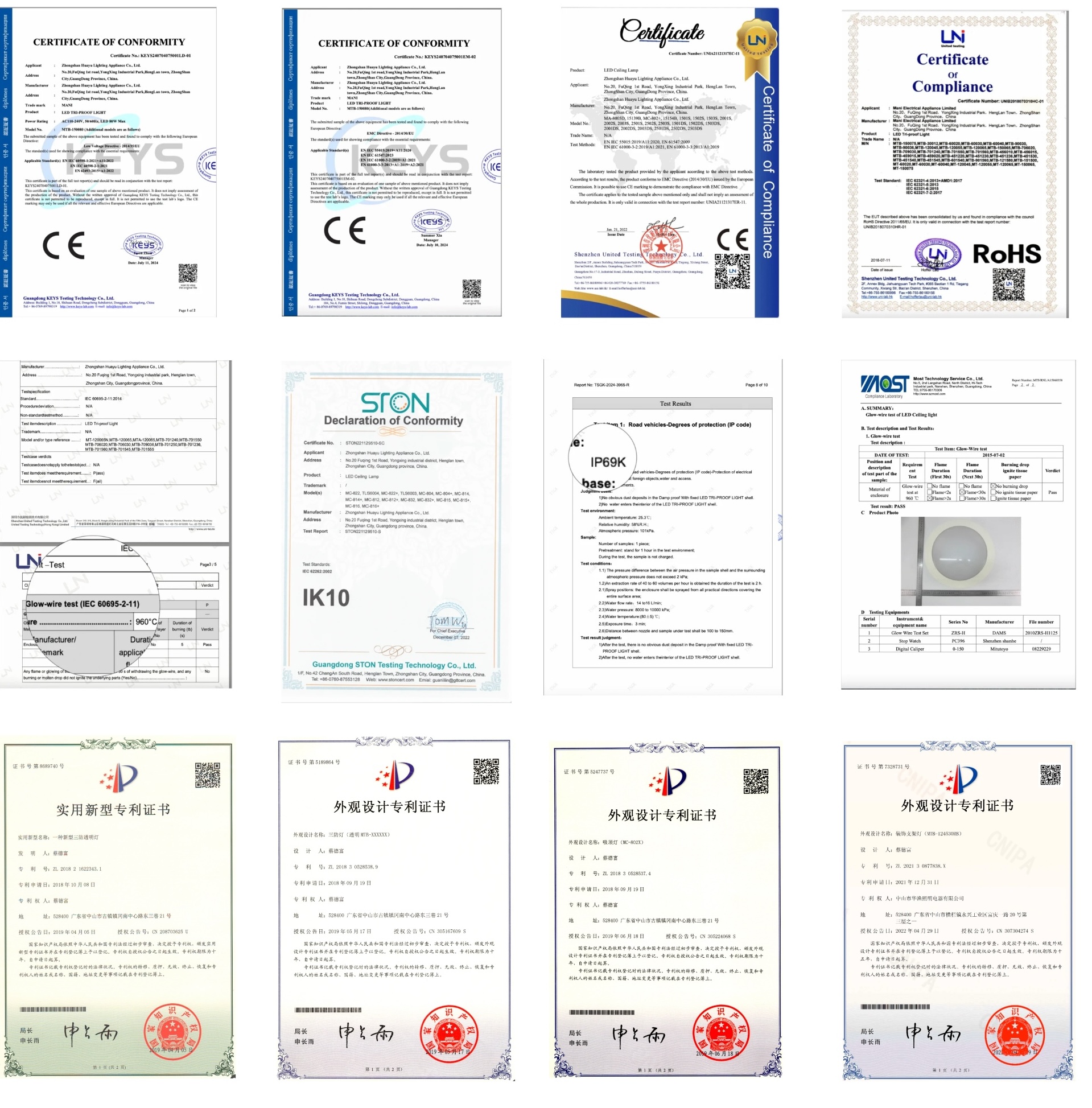
MANI tubular luminaires support IP67/IP69K protection, IK10 PC housing, SS304 / SS316 external components, through-wiring, emergency function, sensor control, and custom mounting solutions for demanding transport infrastructure projects.
Lighting Performance Requirements
Uniform visibility for passenger safety and operational reliability
Metro and railway lighting should be specified by functional zone, not only by wattage or brightness. Platforms, corridors, stairways, tunnels, depots, and maintenance areas may require different illuminance levels, uniformity ratios, glare control, beam distributions, CCT, control modes, and emergency lighting strategies.
Passenger areas require comfortable and uniform illumination for pedestrian flow, boarding, waiting, wayfinding, and platform edge visibility. Tunnel and technical areas require reliable task visibility under dust, humidity, vibration, restricted maintenance access, and long operating cycles.
MANI tubular luminaires can be configured with custom lumen output, wide beam distribution, low-glare optics, stable CCT, emergency backup, DALI / 0–10V dimming, sensor control, and application-specific mounting layouts for different transport infrastructure zones.
Installation and Maintenance Considerations
Designed for long routes, repeated installation, and reduced service cost
Metro and railway lighting is often installed across long platforms, corridors, tunnels, stairways, depots, and service routes, where repeated mounting, wiring continuity, and future access must be planned before installation.
For continuous lighting lines, fixtures should support secure mechanical fixing, efficient mounting, reliable connectors, through-wiring capacity, controlled voltage drop, and clear cable routing. These details help reduce installation complexity, minimize failure points, and simplify future maintenance.
MANI tubular luminaires can be configured with standard mounting clips, custom brackets, IP-rated fast connectors, through-wiring / daisy-chain options, stainless-steel external parts, and project-specific cable entries for transport infrastructure projects.
Every replacement in a metro or railway facility may require access equipment, safety isolation, night work, temporary area closure, or scheduled maintenance windows. Durable sealed tubular lighting helps reduce service frequency and supports long-term operational reliability.
Safety and Emergency Requirements
Built for evacuation visibility, backup operation, and safety-critical routes
Metro and railway lighting must remain reliable during daily operation, power failure, and emergency evacuation. Platforms, stairways, corridors, underpasses, tunnels, technical rooms, and escape routes may require emergency lighting, backup power compatibility, separate emergency circuits, centralized control, and defined operating modes.
In safety-critical areas, lighting failure may affect passenger guidance, platform edge visibility, evacuation routes, tunnel access, and emergency response. For this reason, emergency lighting should be planned with circuit separation, wiring reliability, backup duration, control logic, and minimum visibility requirements from the beginning.
MANI tubular luminaires can support emergency backup, AC / emergency separate circuits, sensor-ready wiring, DALI / 0–10V control, through-wiring layouts, 3-hour backup options, and customized electrical configurations for metro and railway infrastructure projects.
Smart Lighting and Energy Efficiency
Zone-based control for peak hours, standby periods, and service areas
Metro and railway lighting should not operate at the same output in every area at all times. Passenger platforms, transfer corridors, tunnels, depots, parking zones, equipment rooms, and service routes may require different control strategies based on traffic density, operating schedule, occupancy, safety level, and maintenance activity.
For efficient operation, luminaires can be integrated with DALI control, 0–10V dimming, microwave sensors, PIR sensors, standby dimming, corridor function, grouping control, time-delay settings, and centralized lighting management systems. These configurations help reduce unnecessary energy use, extend component life, and support flexible operation across different transport zones.
MANI tubular luminaires can be supplied with sensor-ready wiring, dimmable drivers, control-compatible electrical layouts, through-wiring options, and project-specific control configurations to match the lighting strategy of metro and railway infrastructure projects.
Recommended Lighting Features for Metro & Railway Projects
Built for reliability, protection, and long-term operation
IP67–IP69K protection
Helps protect the luminaire against dust, moisture, and underground environmental exposure.
IK10 impact resistance
Supports reliable performance in public areas, tunnels, workshops, and impact-prone locations.
Wide beam distribution
Provides uniform visibility for platforms, corridors, underpasses, and maintenance zones.
Low-Glare Options
Improves visual comfort in passenger-facing areas such as platforms, halls, and corridors.
Through-Wiring Capability
Supports cleaner wiring and faster installation across long routes and continuous lighting lines.
Emergency Lighting Compatibility
Supports evacuation routes, tunnels, stairways, and safety-critical public areas.
Sensor and Control Options
Helps reduce energy consumption through motion detection, standby dimming, or DALI system integration.
SS304 / SS316 Components
Improves corrosion resistance for tunnels, depots, outdoor shelters, and demanding environments.
Why Choose MANI Tubular Lighting for Metro & Railway Projects
Configurable lighting solutions backed by project manufacturing support
Metro and railway projects need lighting that matches the actual installation space, protection level, wiring architecture, control system, emergency strategy, and maintenance access. For long routes, tunnels, public areas, depots, and service corridors, a standard luminaire may not be enough.
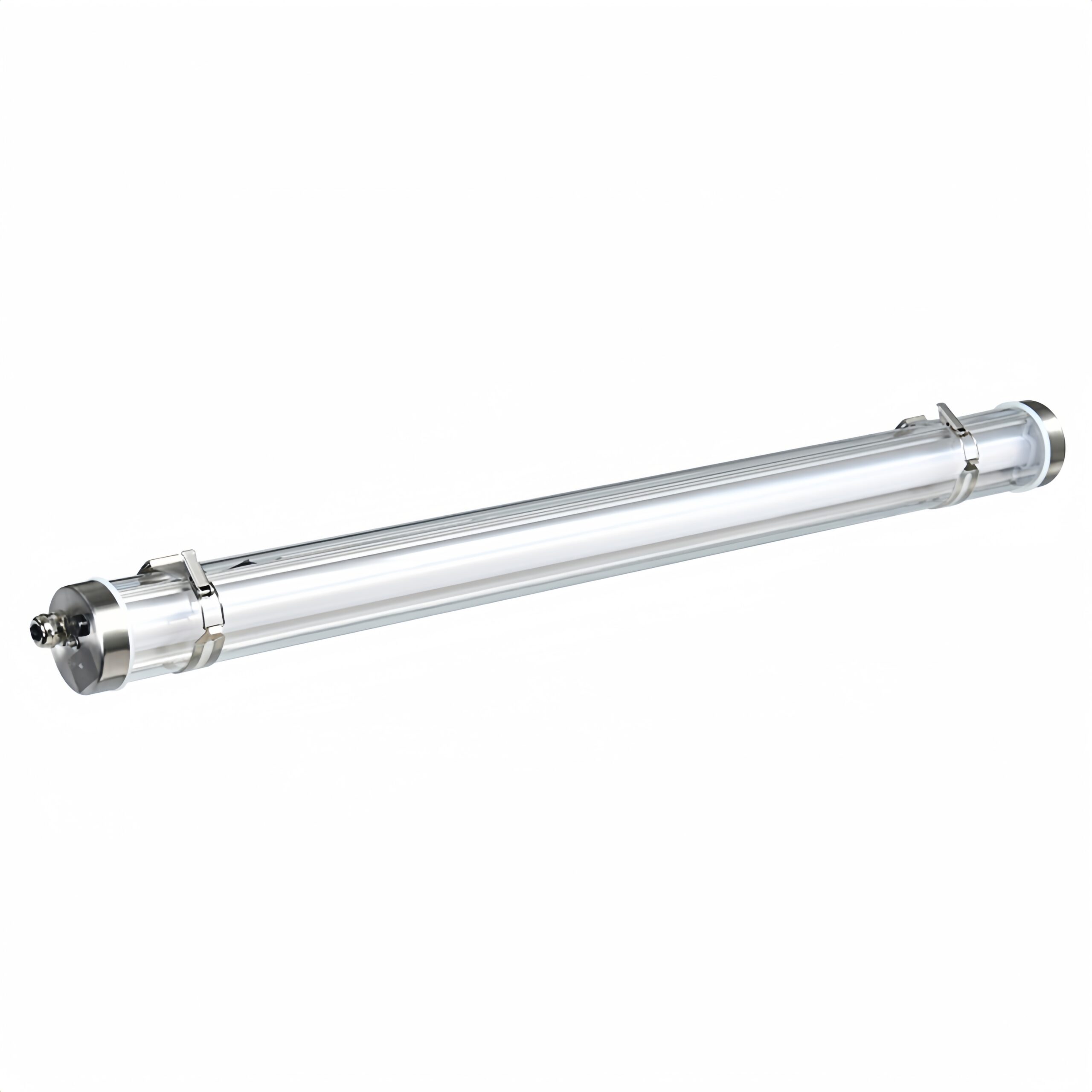
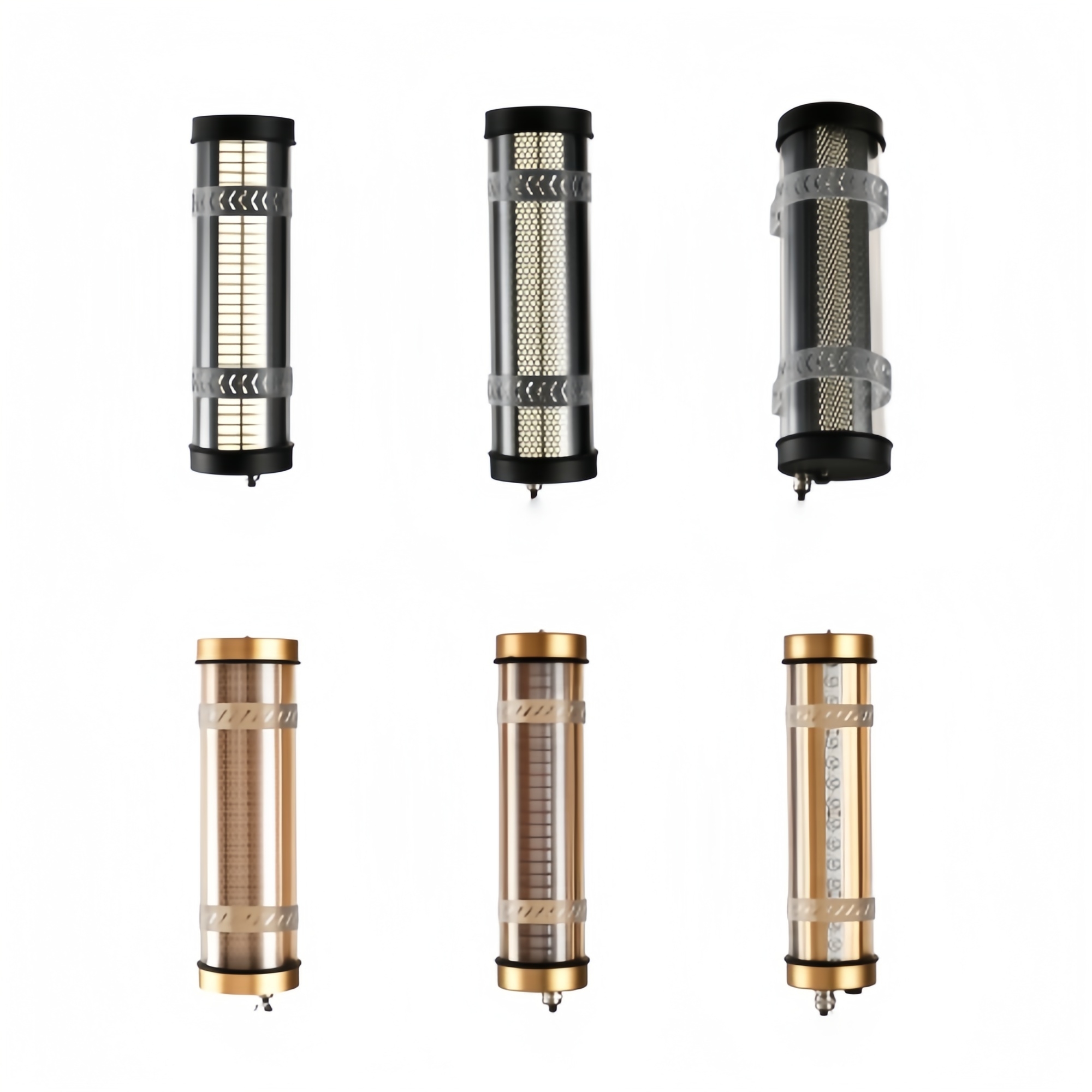
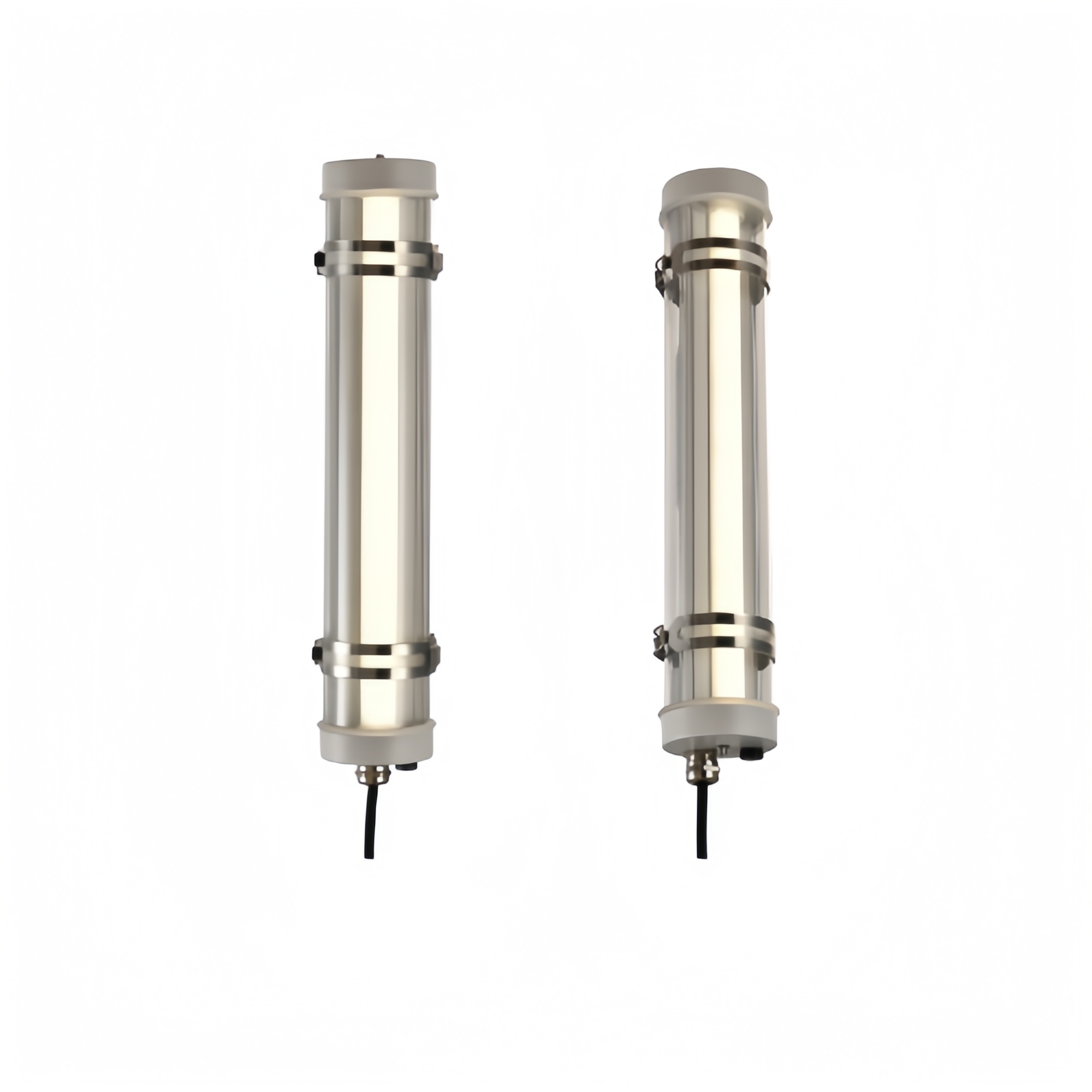
MANI tubular luminaires are built as a configurable lighting platform. Before production, we can adjust tube diameter, length, housing material, end-cap structure, mounting brackets, cable entries, connectors, through-wiring, driver layout, sensor function, emergency circuit, and dimming control according to project requirements.
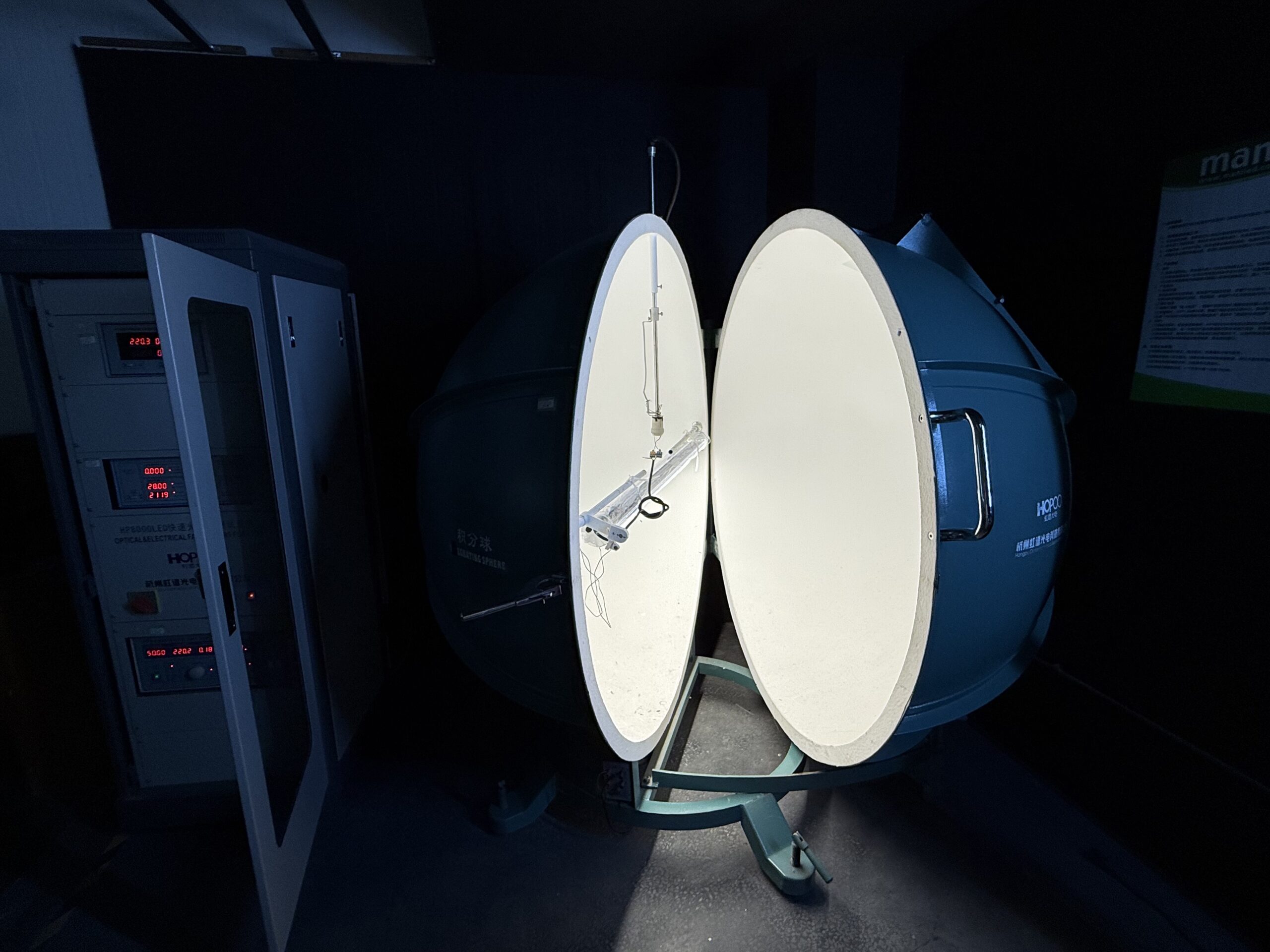
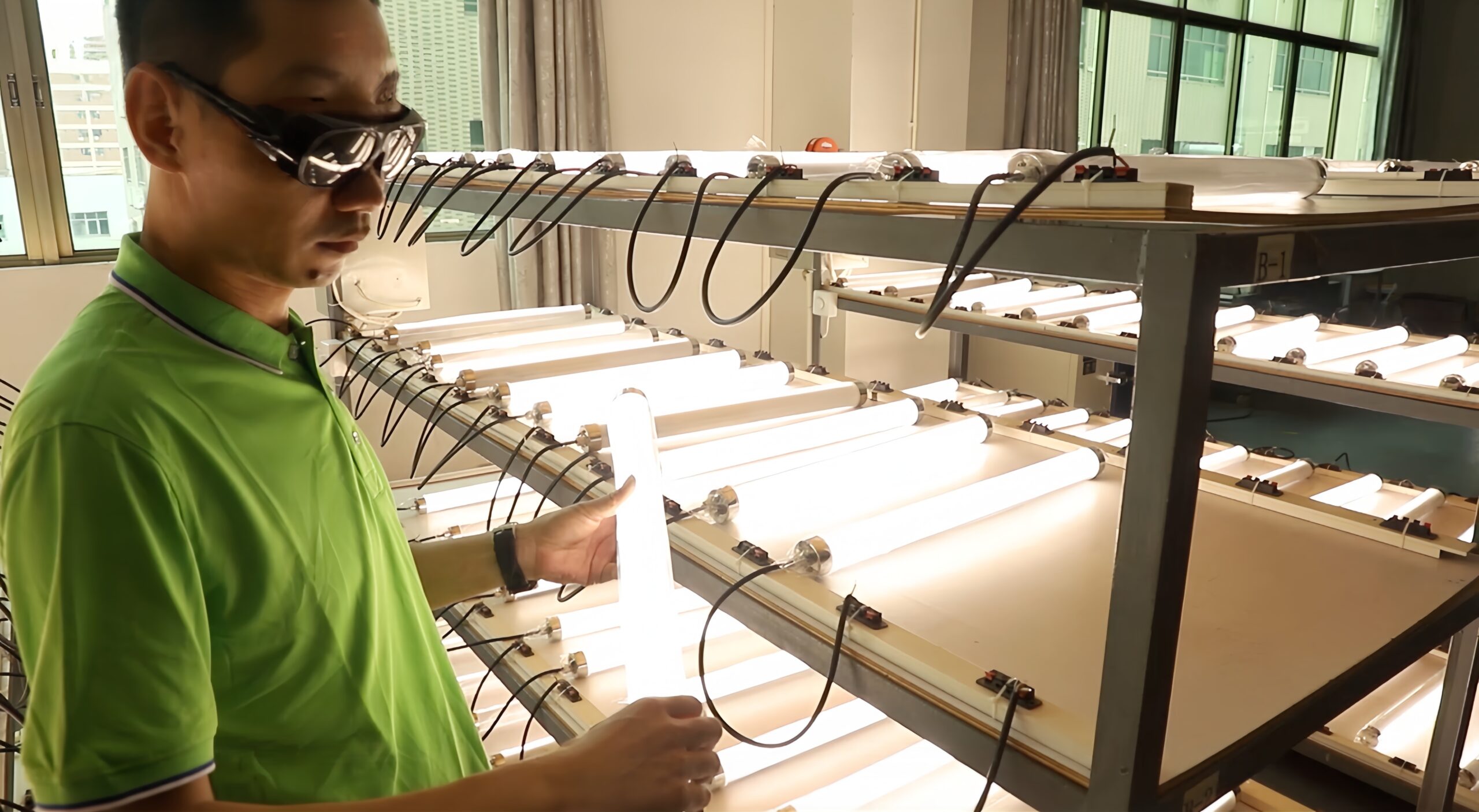
With IP67 sealed construction, IK10 PC housing, SS304 / SS316 external components, UV-resistant tube options, secure fixing, reliable electrical parts, aging testing, and batch consistency control, MANI helps reduce installation risk, maintenance pressure, and long-term performance uncertainty in transport infrastructure projects.
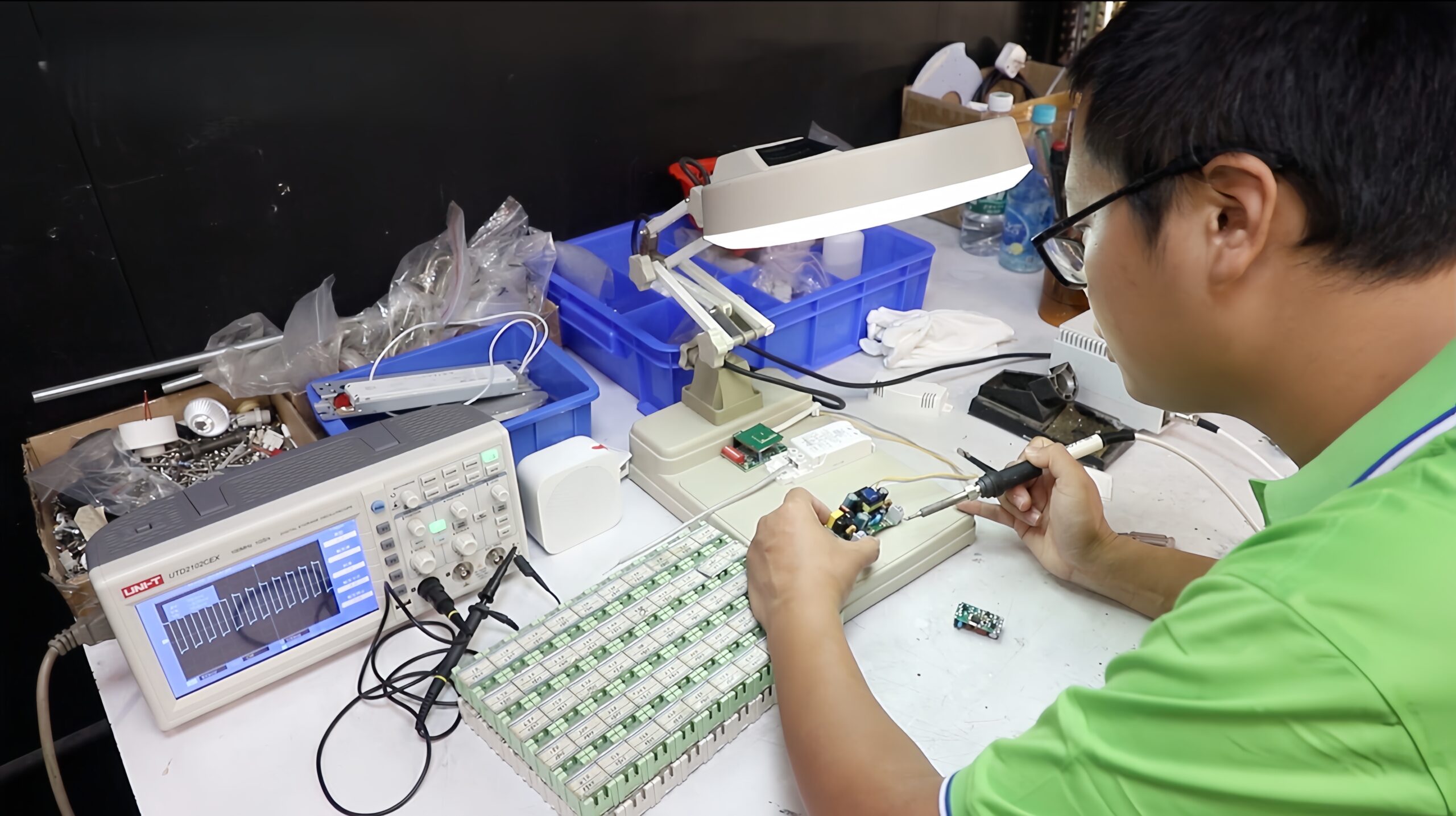
From sample validation to batch production, we provide engineering communication and controlled manufacturing support for metro stations, railway platforms, tunnels, depots, maintenance workshops, and service areas.
What We Support:
Configurable Structures
Ø45 / Ø70 / Ø75 / Ø100 mm tubular designs and project-based length customization.
Material Options
PC, PMMA, borosilicate glass, SS304 / SS316 components.
Protection Levels
IP65 / IP67 / IP68 / IP69K options depending on product structure and project requirements.
Control Options
ON/OFF, DALI, 0–10V, sensor, emergency lighting, and DMX for special projects.
Installation Options
Ceiling-mounted, wall-mounted, suspended, fast connector, and through-wiring solutions.
Project Support
Sample validation, OEM / ODM customization, and technical communication before production.
Related products
FAQ for Metro & Railway Lighting Projects
Metro and railway projects usually require durable luminaires with stable output, strong mechanical protection, reliable sealing, and flexible installation options. For platforms, corridors, underpasses, tunnels, depots, and maintenance zones, LED tubular luminaires are often suitable because they provide continuous linear illumination, protected housing, and adaptable mounting methods.
For demanding areas, the luminaire configuration should be selected according to the installation location, exposure level, maintenance access, emergency requirement, and control system.
Not always. IP67 is usually more important for tunnels, underpasses, depots, maintenance workshops, outdoor shelters, washing areas, and other spaces exposed to moisture, dust, or harsh conditions.
For indoor passenger areas such as ticket halls or enclosed platforms, a lower IP rating may be acceptable if the environment is dry and protected. The correct IP rating should be selected based on installation height, cleaning method, humidity level, dust exposure, and project requirements.
Railway and metro lighting may be installed in public areas, low mounting positions, maintenance zones, tunnels, and service corridors where impact risk is higher. Fixtures can be exposed to accidental contact, tools, vibration, or vandalism.
IK-rated luminaires help improve mechanical reliability. For public transport areas, IK08 to IK10 impact resistance is commonly considered depending on the application. MANI can provide IK10 PC tubular housing options for demanding project environments.
Passenger areas such as platforms, ticket halls, corridors, and stairways focus more on visual comfort, uniform illumination, glare control, architectural appearance, and wayfinding. The lighting should support safe movement and a comfortable passenger experience.
Tunnel and technical areas focus more on sealing, impact resistance, vibration resistance, emergency operation, installation efficiency, and maintenance reduction. These areas usually require more robust structural and electrical configurations.
Tunnel lighting should be selected with special attention to ingress protection, impact resistance, mounting security, wiring layout, emergency operation, and maintenance access. Recommended features may include IP67 or IP68 protection, IK10 PC housing, stainless-steel components, through-wiring, emergency circuit options, and robust mounting brackets.
For long tunnel routes, through-wiring or daisy-chain connection can help simplify installation and maintain a cleaner wiring layout.
Yes. Tubular luminaires can be customized with emergency backup or separate emergency circuit configurations for evacuation routes, tunnels, stairways, underpasses, and safety-critical public areas.
For some projects, the emergency circuit may need to operate separately from the normal AC lighting circuit. In this case, the wiring structure, driver layout, backup system, and control logic should be confirmed before production.
A separate AC and emergency circuit means the luminaire or lighting system has different wiring paths for normal power and emergency operation. Under normal conditions, the light operates from the standard AC power supply. During a power failure or emergency condition, the emergency circuit or backup system keeps the required lighting level available.
This requirement is common in transport infrastructure because evacuation routes, tunnels, and stairways may need minimum visibility even when normal power is interrupted. The exact circuit design should follow the project’s electrical specification.
Yes, but the application area must be considered carefully. Motion sensors are more suitable for service corridors, depots, parking areas, technical rooms, storage areas, and low-traffic maintenance zones.
For high-traffic passenger areas such as platforms and main corridors, centralized control, scheduled dimming, or DALI control may be more suitable than simple motion-based switching. MANI can discuss microwave sensor, PIR sensor, standby dimming, and sensor-ready wiring according to the project area.
Yes. DALI and 0–10V dimming can help transport facilities manage lighting levels according to operating hours, traffic flow, maintenance schedules, or energy-saving strategies.
DALI is often preferred for projects requiring addressable control, grouping, scene setting, or integration with building management systems. 0–10V can be suitable for simpler grouped dimming applications. The best option depends on the control system and project budget.
Through-wiring allows multiple luminaires to be connected in a continuous line, which is useful for long corridors, platforms, underpasses, tunnels, and service routes. It can reduce external wiring complexity and improve installation efficiency.
However, through-wiring must be designed according to power load, cable size, connector rating, voltage drop, installation length, and maintenance requirements. MANI can customize through-wiring solutions based on the project layout.
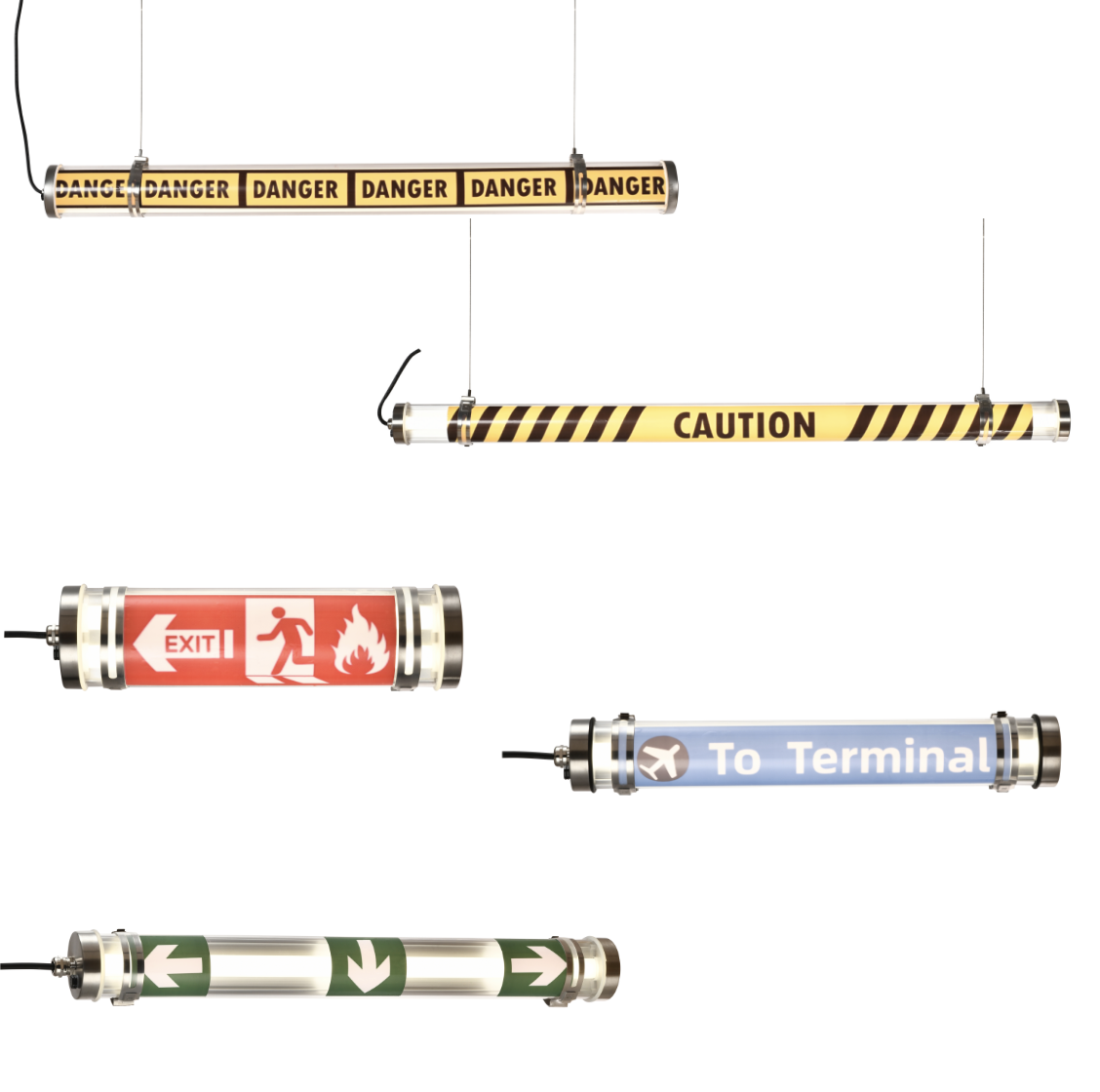
Yes. In large metro and railway facilities, lighting can support wayfinding by using different color temperatures, colored tubes, printed films, directional graphics, or RGBW configurations in selected areas.
This can help distinguish corridors, exits, platforms, transfer routes, parking zones, or emergency routes. For these applications, the optical effect, visibility, color stability, installation position, and control method should be reviewed before production.
To recommend the correct solution, it is helpful to provide the application area, installation drawings, required length, quantity, voltage, wattage or lumen requirement, CCT, CRI, IP/IK requirement, mounting method, control system, emergency requirement, and any material or certification requirements.
If the project is still in early design stage, MANI can also provide reference configurations based on the application area, such as platform lighting, tunnel lighting, depot lighting, or maintenance workshop lighting.
Need reliable lighting for
a Metro or Railway Project?
Share your project requirements with us.
MANI will help recommend or customize a suitable tubular lighting solution for your transport infrastructure project.
Your email information will be kept strictly confidential and our business staff will ensure that your private information is absolutely safe!