
Production Quality System
MANI Production
Quality Gates
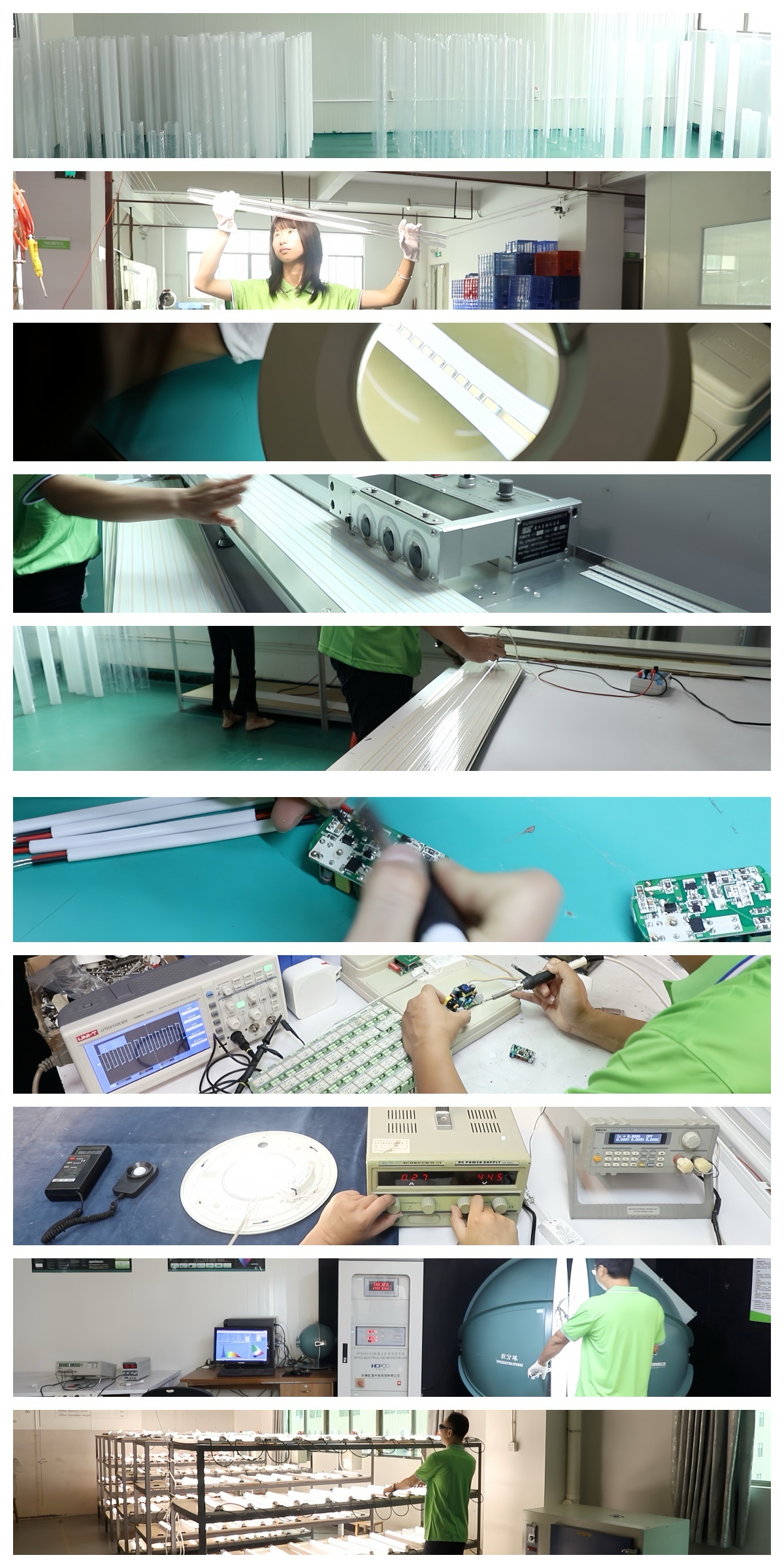
MANI applies four connected quality gates—from incoming materials to final shipment.
Each gate has a defined purpose, ensuring that quality is controlled throughout production rather than checked only at the end.
Incoming Control
IQC
Incoming Material Release
Critical materials and components are verified against approved specifications before they are released to production.
Process Control
IPQC
Process & Assembly Control
Wiring, electrical connections, alignment, sealing and workmanship are monitored at defined production checkpoints.
Product Validation
FQC
Finished Luminaire Validation
Every finished luminaire completes functional, electrical, appearance and mandatory aging verification before packaging.
Shipment Control
OQC
Shipment Release Control
Product information, accessories, packaging and quality records are checked against the confirmed order before shipment.
A product advances only after the requirements of its current quality gate have been confirmed.
Component Control
Controlled Components.
Verified Compatibility.
Key Components & System Compatibility
Reliable performance depends not only on individual parts, but also on how those parts operate together as a complete luminaire system. MANI selects components against approved optical, electrical, thermal and application requirements.

Swipe to view all brands →
Brand availability depends on the approved product configuration, project requirements and current component supply.
LED Chips
LED chip options are selected according to the required light output, color quality, thermal conditions and intended product application.
LED Drivers
Drivers are evaluated as part of the complete luminaire system for electrical load, thermal behavior, control compatibility and continuous operating stability.
Cabling & Materials
Cables, insulation, optical materials, sealing components and structural materials are selected according to product construction and destination-market requirements.
Laboratory Capability
Testing Equipment &
Validation Facilities
Dedicated Equipment for Product Validation
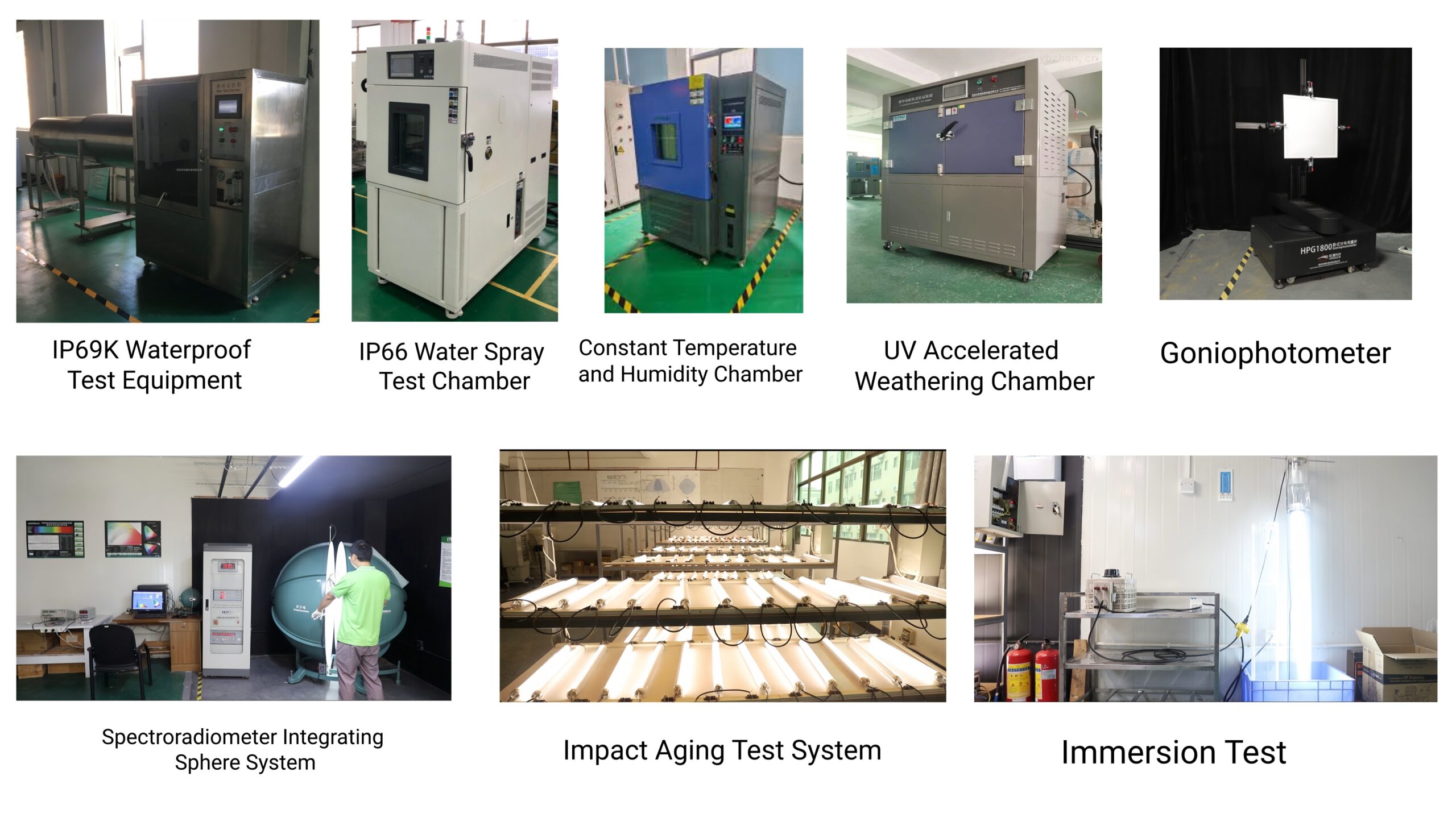
MANI uses professional testing and measurement equipment to support product development, engineering validation, qualification and ongoing quality assurance.
Swipe horizontally to view all equipment →
Environmental Simulation
Water ingress, temperature, humidity and accelerated weathering equipment support application-specific environmental evaluation.
Optical Measurement
Photometric equipment supports evaluation of light distribution, luminous output, efficacy and color performance.
Aging & Endurance
Controlled operating and aging systems help assess product stability under defined load and duration conditions.
Testing methods are selected according to product construction, intended application, development stage and the approved validation plan. Not every laboratory test is performed on every production unit.
Documented Assurance
Evidence That Supports
Project Approval
Certifications, Documentation & Warranty Assurance
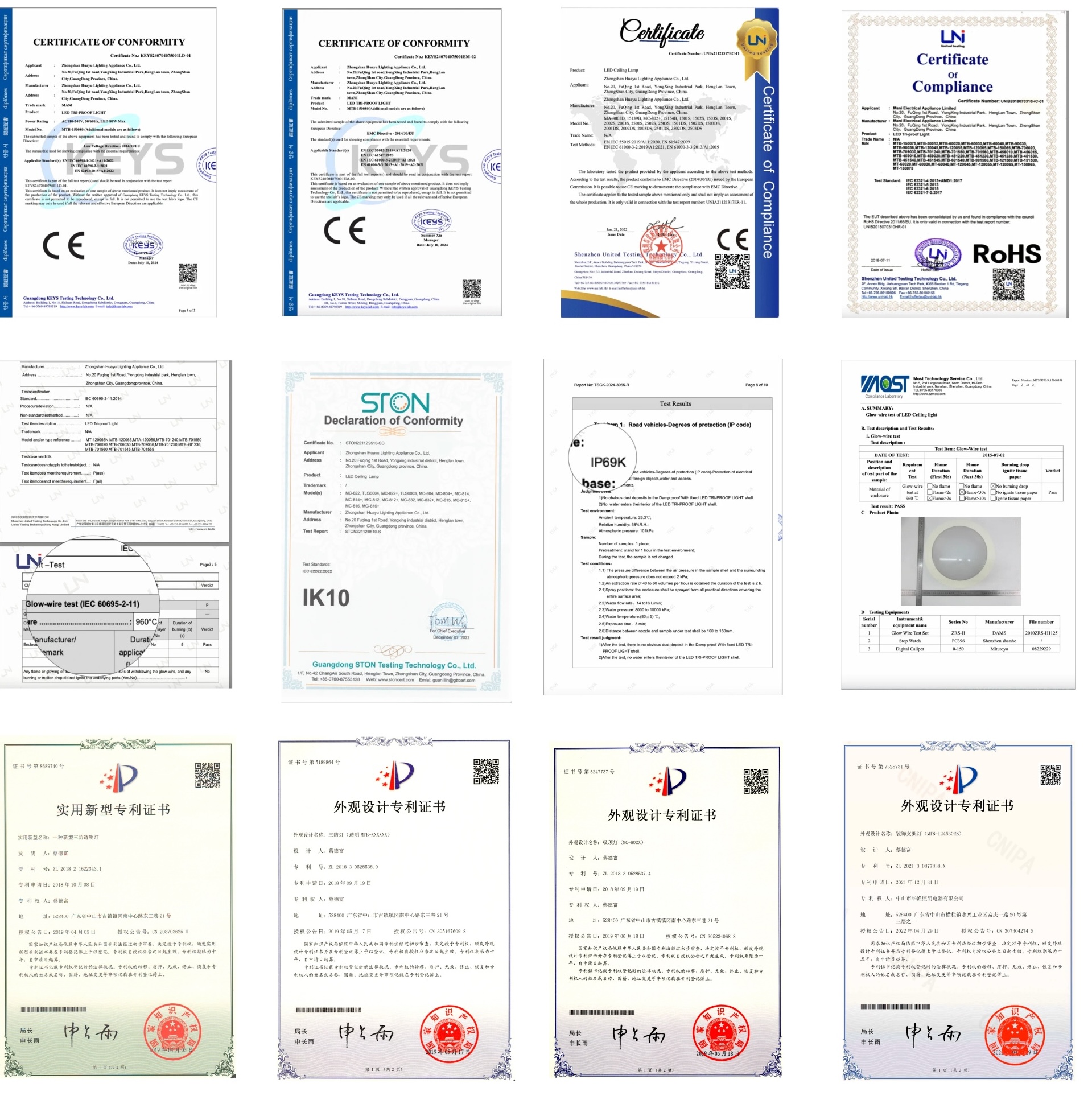
Relevant quality and compliance documentation can be provided to support technical review, project approval and tender requirements.
Document availability depends on the selected product, configuration and destination market.
 Verified Documentation
Certifications & Compliance Documents
Product-specific compliance documents can be provided according to the confirmed configuration and destination-market requirements.
- CE Declaration of Conformity
- RoHS compliance report
- EMC test report where applicable
- Electrical safety / LVD report
Protection & Photometric Reports
Test reports and photometric files support verification of environmental protection, impact resistance and lighting performance.
- IP65 / IP66 / IP69K test reports
- IK08 / IK10 impact test reports
- IES photometric files
- Flux, efficacy, CCT & CRI reports
Engineering & Quality Records
Supporting engineering and production records may be supplied for project evaluation, approval and quality follow-up.
- Aging and switching-cycle records
- Electrical parameter inspection records
- Component and material documents
- Patent documents where applicable
Documentation is matched to the approved product configuration. A certificate or report for one configuration may not apply to every product variant.
Quality Assurance That Continues After Delivery
MANI provides a minimum five-year warranty supported by verified engineering, controlled component selection, structured production inspection, mandatory aging testing and final shipment release. Applicable terms are confirmed with the selected product and order.